



The Best Rain Bibs for Heavy Rain and Harsh Working Conditions
- 30 min read
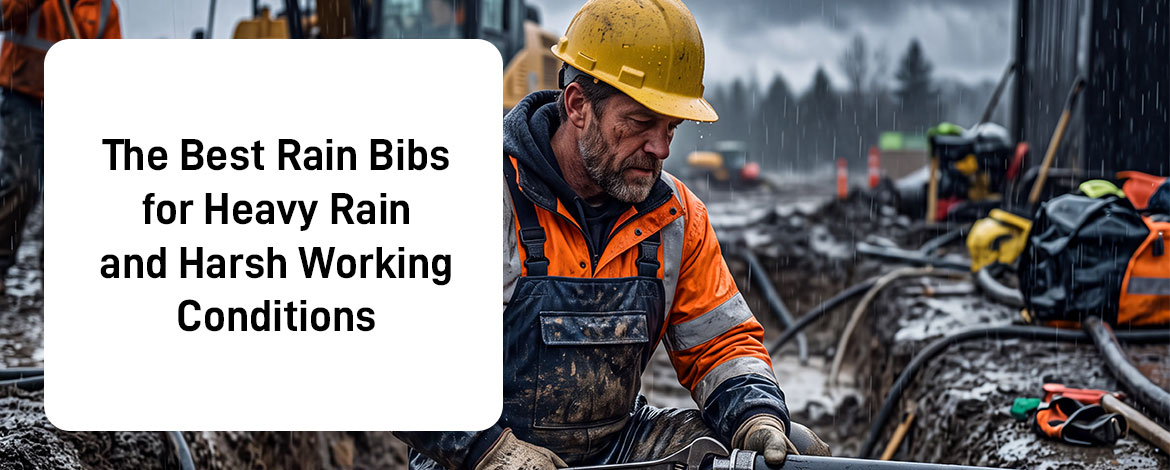
Rain does not stop a jobsite, and gear that leaves a gap at the waist does not stop the rain. On a road crew, a utility line, or a construction site, that waistband gap on standard rain pants is where a base layer gets soaked by mid-morning. Waterproof rain bibs close that gap, protecting the chest down to the boot so the crew keeps working instead of ducking for cover.
At Hi Vis Kings, we build our rain bib lineup around jobs that do not pause for weather. Storm cleanup, highway flagging, utility repair, and equipment operation each put different demands on wet-weather gear, and a bib that holds up for one role can fall short in another. Here is what actually separates a bib worth buying from one that just looks the part.
Why Rain Bibs Outperform Rain Pants in Heavy Weather
Standard rain pants stop at the waist, leaving your lower back exposed when you bend, reach, or climb. Rain bib overalls provide extended torso coverage, creating a waterproof barrier that moves with you and offers better protection in wet conditions.
- Full torso protection: Covers the chest, abdomen, and lower back to keep rain out during frequent bending, kneeling, and stretching.
- Better weather protection: Eliminates the waistband gap, reducing the chance of rain and wind-driven spray getting inside.
- Improved mobility: Adjustable suspenders keep the bibs secure and comfortable without slipping.
- Greater durability: Reinforced stress points and stronger stitching stand up to demanding job sites.
- All-day comfort: A secure fit means fewer adjustments and more time focused on the job.
This version is tighter, easier to scan, and better suited for a category page or blog while maintaining a professional tone.
Rain Bibs vs Rain Pants at a Glance
|
Feature |
Rain Bibs |
Rain Pants |
|---|---|---|
|
Coverage |
Chest to ankle |
Waist to ankle |
|
Waterproof seal |
Full torso and legs, no waistband gap |
Waist down only, gap at the belt line |
|
Best for |
Construction, industrial, all-day outdoor labor |
Light-duty or short-term use |
|
Layering |
Full system, base layer to insulated mid-layer |
Basic protection only |
|
Durability |
Industrial-grade, reinforced stress points |
Typically lighter-duty |
Rain pants work fine for a light shower or a short errand. For a full shift in a downpour, a bib is the gear that actually holds up. Browse the full Rain Pants and Bibs collection to compare styles side by side.
Where Rain Bibs Earn Their Keep
Rain gear is not one-size-fits-all across roles. Here is how the demands change from one job to the next.
Construction Crews
Mud, standing water, debris, and constant movement come with the territory on a construction site. Bibs for this crowd need reinforced knees, abrasion-resistant panels, and ANSI-rated reflective striping for anyone working near roadways or active equipment. Pairing a Class E rain bib with a Class 2 or Class 3 rain jacket covers both the waterproofing and the visibility requirements for crews working through all-weather schedules.
Road and Highway Crews
Working near active traffic in the rain is one of the more dangerous jobs going. Crews here need bright fluorescent fabric, 360-degree reflective striping that stays visible even when soaked, and materials tough enough for a full shift roadside. This is the group where the ANSI Class E and Class 2 or Class 3 pairing is not optional.
Utility Line Workers
Power line crews, water utility teams, and telecom technicians frequently work in isolated spots with no shelter. Their rain gear has to hold up to sustained downpours while they climb, carry equipment, or work in tight spaces, without sacrificing the flexibility needed to reach and bend.
Heavy Equipment Operators
Getting in and out of a cab repeatedly in the rain means constant exposure and constant wear on seams. Bibs for operators need to handle climbing, stepping over tracks, and ducking under machinery without tearing, plus deep pockets and closures that will not snag on the controls.
Agriculture and Landscaping Crews
Harvest season and a landscaping schedule do not wait out the rain. Field crews need bibs that shrug off soil, chemicals, and rough terrain, not just water. Durable, easy-to-clean fabric that resists staining from fertilizer and field debris matters as much as waterproofing here.
Municipal and Public Works Teams
Sanitation crews, parks staff, and road maintenance teams work through every condition on the calendar. Rugged, all-day-comfortable rain gear with high-visibility features keeps these crews safe near traffic and equipment, whatever the shift length.
What Actually Makes a Rain Bib Worth Buying
Waterproof Materials That Hold Up
Not every fabric labeled water-resistant can handle sustained heavy rain. Two materials do the heavy lifting in industrial rain gear.
- PVC-coated polyester. heavy, durable, and close to impermeable, a strong fit for oil and gas work, chemical splash risk, and sustained downpours
- Polyurethane (PU) coating. lighter and more flexible than PVC, with a solid moisture barrier that suits jobs requiring climbing, reaching, or extended movement
Both materials work well depending on the environment. The point is choosing a bib rated for full-immersion waterproofing, not just a splash guard.
Heat-Sealed and Taped Seams
Even fully waterproof fabric has thousands of tiny needle holes at every sewn seam. Heat-sealed and taped seams bond waterproof tape over that stitching to close those gaps completely. In heavy rain, taped seams are not optional.
High-Visibility Protection
For anyone working near traffic, equipment, or low light, hi-vis rain bibs are frequently a requirement rather than a preference. Look for fluorescent yellow or orange fabric, reflective striping placed for 360-degree visibility, and a garment labeled to the current ANSI/ISEA 107-2020 standard.
Durability
- Reinforced knees and seat panels: Protect high-wear areas.
- Reinforced stitching: Strengthens pocket corners, suspender attachments, and leg openings.
- Abrasion-resistant fabric: Resists wear from concrete, metal, and other rough surfaces.
- Ripstop fabric: Helps prevent small tears from spreading.
Comfort for Long Shifts
- Adjustable suspenders: Provide a secure, customizable fit over different layers.
- Breathable membrane: Allows heat and moisture to escape while keeping rain out.
- Chest-high design: Provides extra coverage and room for layering.
Easy On and Off
- Boot access zippers: Make the bibs easy to put on and remove without taking off your boots.
- Snap closures: Allow quick fit adjustments.
- Elastic or zippered ankle cuffs: Seal out wind and water while fitting securely over boots.
Getting ANSI Class E Right
ANSI/ISEA 107-2020 is the national standard for high-visibility safety apparel. Class E applies specifically to pants, bib overalls, shorts, and gaiters. Here are the key requirements to know.
- Class E cannot stand alone: A Class E bib must be worn with a Class 2 or Class 3 high-visibility upper garment to meet ANSI requirements.
- The combination creates a Class 3 ensemble: When paired with a Class 2 or Class 3 top, a Class E garment qualifies as a Class 3 ensemble, providing the highest level of roadway visibility.
- Minimum material requirements apply: Class E garments must include at least 465 square inches of fluorescent background material and 109 square inches of retroreflective material in an approved high-visibility color.
- Federal highway workers have additional requirements: Under 23 CFR Part 634, workers within the right of way on federal aid highways who are exposed to traffic or construction equipment must wear ANSI/ISEA 107 Performance Class 2 or Class 3 high visibility apparel.
In short, buying an ANSI Class E rain bib is half the equation. Pair it with a compliant hi-vis rain jacket or a Class 2 or Class 3 upper layer to actually meet the standard. For a closer look at how ANSI classifications work across garment types, visit our ANSI Standards resource page.
Matching the Bib to Your Climate and Role
- Heavy rain climates: Choose fully taped seam bibs designed for prolonged exposure to wet conditions, especially in regions with frequent rainfall.
- Cold weather: Select bibs with room for insulating layers or choose insulated models for added warmth.
- Storm cleanup: Opt for heavy-duty, fully waterproof bibs that provide maximum protection in extreme weather.
- Construction and road crews: Prioritize ANSI-compliant bibs with reinforced construction and fully taped seams.
- Utility and municipal crews: Look for lightweight, flexible bibs with features that make them easy to put on and take off.
Getting the Fit Right
A bib that does not fit correctly will not protect correctly. Look for adjustable shoulder straps to set the rise at your torso length, room through the hips and thighs for squatting and climbing, and enough space for a layering system without the bib becoming oversized or shifting the reflective striping out of place. Most brands carry bibs in tall, regular, and short inseam options. Check our Sizing Guide before you order to match your measurements and account for the boots you will wear on the job.
Keeping Rain Bibs in Working Shape
- Cleaning: Hose off or wipe down PVC and PU bibs after use. For deeper cleaning, use mild soap and avoid bleach or fabric softeners, which can damage waterproof coatings.
- Reapply DWR when needed: Over time, the durable water repellent (DWR) finish on PU-coated bibs can wear off. A DWR spray or wash-in treatment helps restore water repellency.
- Drying: Hang bibs to air dry. Avoid high heat, which can damage waterproof coatings and seam tape.
- Storage: Store bibs hanging or loosely folded in a cool, dry place. Avoid placing heavy objects on PVC gear to prevent creasing and cracking.
With proper care, quality rain bibs can provide reliable protection season after season, even with frequent use.
Rain Bibs and Rain Gear Worth Adding to Your Kit
Whether you need maximum durability, all-day comfort, or ANSI-compliant protection, our lineup includes a solution for every work environment.
- Kishigo RWB106 Hi-Vis Rain Bib Overalls, ANSI Class E ($68.45), have a quick-release suspender buckle, a zippered chest patch pocket with a storm flap, and a cargo pocket with drainage grommets. View the RWB106
- Portwest S489 Hi Vis Safety Rain Bib ($66.24) is built from double-PU-coated 300D oxford polyester with sealed seams and a lined interior for added warmth, a solid pick for cold, wet shifts. View the S489
- The Enhanced Visibility EV-700 Insulated Winter Bibs ($89.36) feature a thermal lining for added warmth in freezing rain and snow, making them an excellent choice for crews handling winter storm response or cold-weather roadwork. View the EV-700.
To complete an ANSI-compliant ensemble, pair any Class E bib with a Class 2 or Class 3 top from our Rain Jackets collection for wet weather, or our Safety Parkas collection for cold-weather shifts. You can browse the full lineup, including the filtered Class E Rain Bibs category, to compare every option side by side.
FAQs
1. What are the best rain bibs for heavy rain?
The best option is a fully waterproof bib overall with heat-sealed or taped seams and reinforced construction. PVC-coated bibs give the highest waterproofing for extreme conditions, while PU-coated bibs balance waterproofing with flexibility for sustained rain.
2. Are rain bibs better than rain pants?
For most outdoor work, yes. Bibs provide chest-high coverage that closes the waistband gap, holds up better over time, and stays more stable during physical work. Rain pants suit light-duty or recreational use where full torso coverage is not needed.
3. What material is best for waterproof rain bibs?
PVC-coated polyester is the most waterproof and durable option, best for industrial settings with chemical exposure or extreme rain. PU-coated fabric is lighter and more flexible, a good fit for construction, utility, and agricultural work. Breathable waterproof membranes are the premium choice for high-exertion roles where heat management matters.
4. What are ANSI Class E rain bibs?
ANSI/ISEA 107-2020 Class E is the certification for high-visibility bib pants and overalls. A Class E garment cannot be worn alone to satisfy high-visibility requirements. When paired with a Class 2 or Class 3 upper garment, the ensemble reaches full Class 3 compliance.
5. Are waterproof rain bibs required by OSHA?
OSHA does not write a standalone hi-vis apparel rule for most workers, but it applies the General Duty Clause to hazards like roadway traffic exposure. Separately, 23 CFR Part 634 requires workers within the right-of-way of a federal-aid highway to wear apparel meeting ANSI/ISEA 107 Class 2 or 3. For other environments, focus on choosing waterproof protection appropriate to the hazard.
6. Can rain bibs be worn over work clothes?
Yes. Quality rain bibs are cut with room to layer over work pants, insulated mid-layers, and base layers, and adjustable suspenders let you dial in the fit regardless of what is underneath.
7. How long do waterproof rain bibs last
With proper care, quality industrial rain bibs typically last two to five seasons or more. PVC bibs hold their waterproofing longest but can crack if stored improperly. PU bibs may need periodic DWR reapplication to keep water beading on the surface.
8. How should waterproof rain bibs fit
Rain bibs should allow free movement while squatting, climbing, and reaching over your typical work clothes. The rise should reach the chest without pulling when you bend, suspenders should sit snug but not bind, and leg openings and ankle cuffs should clear your work boots and seal without bunching.
Gear Up Before the Next Storm Rolls In
Weather does not check the schedule before it rolls in, and neither should your rain gear planning. Whether the job calls for an ANSI Class E bib paired with a rain jacket or an insulated bib for winter storm response, the right setup keeps a crew dry, visible, and working through whatever the sky sends down. Shop the full Rain Pants and Bibs collection at Hi Vis Kings and get your crew set before the next front moves in.


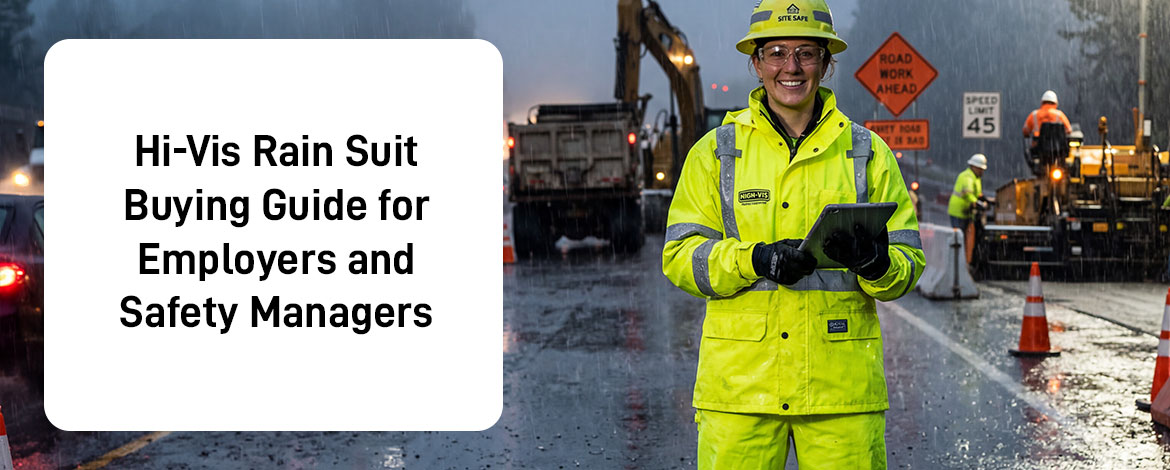
Rain, fog, poor lighting, and harsh weather conditions can increase accident risks on job sites.
- 30 min read
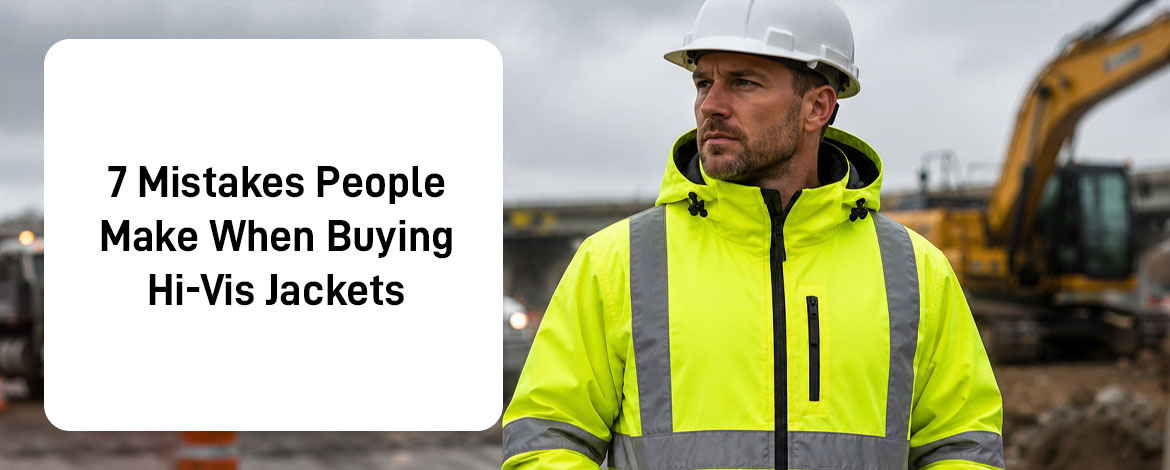
At Hi Vis Kings, we've helped thousands of American workers, site supervisors, safety managers, and procurement teams gear up correctly.
- 30 min read
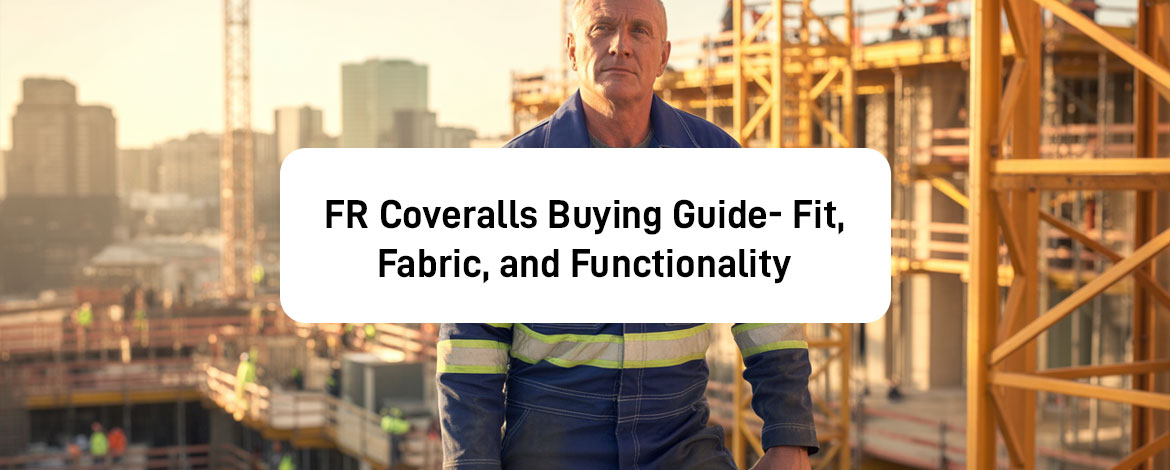
Personal protective equipment (PPE) is non-negotiable for ensuring optimal workplace safety.
- 10 min read