



Industrial Safety Gloves Built for Real Job-Site Risks
- 30 min read
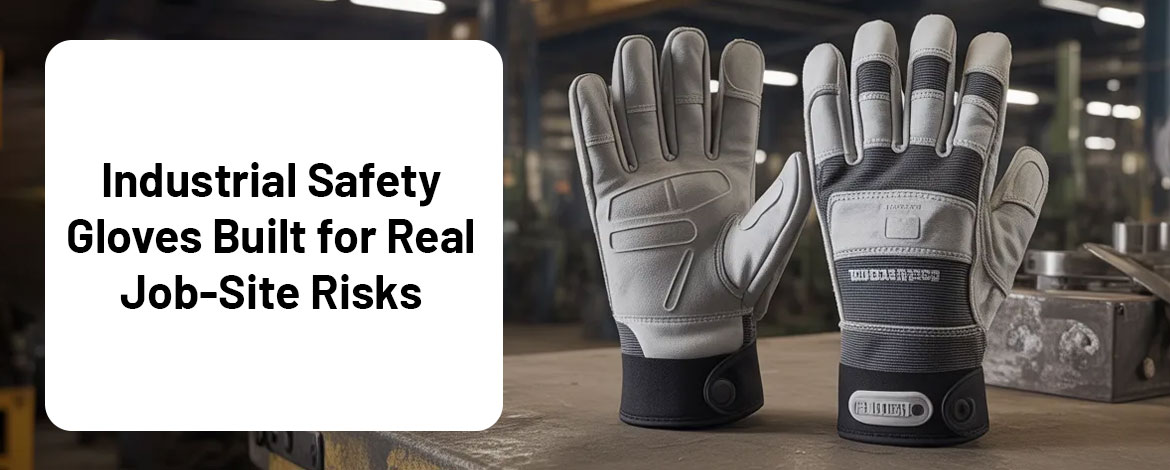
We protect hands where injuries happen fast, and mistakes cost more than time.
In industrial environments, hands face constant exposure to sharp materials, heavy equipment, chemicals, heat, and impact. Industrial safety gloves aren't optional protection—they're essential safety gear for industrial environments where risk is part of every shift.
At Hi Vis Kings, we engineer safety gloves for industrial use to deliver measurable protection, dependable grip, and long-term comfort under demanding conditions.
Key Highlights
- 1. What industrial safety gloves are and how they reduce job-site injuries
- 2. ANSI ratings and why they matter for glove selection
- 3. Materials and design features that improve puncture resistance and grip
- 4. How ergonomic design, breathability, and sweat management improve wearability
- 5. How to choose the best safety gloves for industrial use by hazard type
What Are Industrial Safety Gloves?
Industrial safety gloves are protective handwear designed to reduce injury risks in high-hazard work environments.
We use them to protect against cuts, abrasions, punctures, chemical exposure, impact injuries, heat, and grip loss while maintaining tactile sensitivity for precise tasks.
Unlike basic work gloves, industrial protective gloves are built to meet specific performance standards.
Why Industrial Safety Gloves Matter on Active Job Sites
Hand injuries remain one of the most common workplace incidents across construction, manufacturing, oil & gas, and warehousing. Cuts, punctures, crushed fingers, and chemical burns affect not only workers but also overall productivity and safety compliance.
Workplace safety gloves act as frontline protection when hazards can't be engineered out.
Proper industrial safety gloves help:
- 1. Reduce hand injuries and lost-time incidents
- 2. Improve grip control and puncture resistance
- 3. Support ANSI-rated safety programs
- 4. Increase worker confidence during repetitive or high-risk tasks
Understanding ANSI Ratings for Industrial Safety Gloves
ANSI ratings provide a standardized way to measure glove performance, helping safety managers make informed decisions.
Key ANSI Ratings to Know
- 1. ANSI Cut Resistance (A1–A9): Measures protection against sharp edges
- 2. ANSI Puncture Resistance: Evaluates resistance to nails, wire, and sharp debris
- 3. ANSI Abrasion Resistance: Indicates durability against rough surfaces
- 4. ANSI Impact Protection: Assesses knuckle and hand impact absorption
At Hi Vis Kings, we use ANSI ratings to match industrial safety gloves to real job-site hazards—not assumptions.
What Industrial Safety Gloves Are Designed to Protect Against
Industrial protective gloves are engineered to handle multiple risks simultaneously.
Common Industrial Hazards
- 1. Cuts and abrasions from metal, glass, and sharp components
- 2. Puncture injuries from nails, wire, and debris
- 3. Impact injuries from tools and heavy equipment
- 4. Chemical exposure to oils, solvents, and corrosive liquids
- 5. Grip failure in wet, oily, or dusty environments
High-performing safety gloves for industrial use balance protection with tactile sensitivity, allowing workers to maintain control without sacrificing safety.
What Materials Are Used in Industrial Safety Gloves?
Industrial safety gloves are made from materials chosen for durability, grip, and hazard resistance.
Material selection directly affects puncture resistance, flexibility, and breathability.
Common Materials in Hi Vis Kings Industrial Safety Gloves
- 1. Nitrile coatings – excellent grip, oil resistance, and puncture protection
- 2. Leather – strong abrasion resistance and heat protection
- 3. Cut-resistant fibers (HPPE, Kevlar®, Dyneema®) – high cut resistance with lightweight flexibility
- 4. PVC or rubber – chemical resistance and liquid barriers
Material combinations are carefully selected to maintain tactile sensitivity while meeting ANSI performance requirements.
Ergonomic Design, Breathability, and Sweat Management
Protection only works when gloves are worn consistently.
At Hi Vis Kings, ergonomic design is a priority. Our industrial safety gloves are shaped to follow natural hand movement, reducing fatigue during long shifts.
Comfort Features That Matter
- 1. Ergonomic glove construction for natural hand positioning
- 2. Breathable liners to improve airflow
- 3. Moisture-wicking materials for effective sweat management
- 4. Flexible coatings that preserve tactile sensitivity
These features improve comfort, reduce hand strain, and help workers keep gloves on throughout the day.
How to Choose Safety Gloves for Industrial Use
The right industrial safety gloves depend on matching protection to the task.
Key Selection Factors
- 1. ANSI cut, puncture, and impact ratings
- 2. Type of hazard exposure (sharp, chemical, impact, heat)
- 3. Required tactile sensitivity for precision tasks
- 4. Breathability and sweat management for extended wear
- 5. Expected durability under daily use
Choosing task-specific workplace safety gloves improves safety without reducing efficiency.
Industrial Safety Gloves vs Standard Work Gloves
Standard gloves may offer basic coverage, but they fall short in industrial environments.
|
Feature |
Industrial Safety Gloves (Hi Vis Kings) |
Standard Work Gloves |
|
ANSI Ratings |
Cut, puncture, abrasion, impact |
Often unrated |
|
Puncture Resistance |
Designed for sharp debris |
Minimal protection |
|
Ergonomic Design |
Shaped for long wear |
Generic fit |
|
Breathability |
Engineered airflow & liners |
Limited ventilation |
|
Durability |
Built for daily industrial use |
Short lifespan |
Industrial protective gloves are designed for performance, not convenience.
Types of Industrial Safety Gloves Compared
|
Glove Type |
Primary Protection |
Best Use |
|
Cut-Resistant Gloves |
Cuts, abrasions, punctures |
Metal handling, fabrication |
|
Chemical-Resistant Gloves |
Liquids, oils, solvents |
Oil & gas, utilities |
|
Impact-Resistant Gloves |
Knuckle and hand impact |
Construction, heavy equipment |
Each type balances protection, tactile sensitivity, and ergonomic comfort differently.
Industrial Safety Gloves by Work Environment
- 1. Construction sites
- 2. Manufacturing facilities
- 3. Oil & gas operations
- 4. Warehouses and logistics centers
Each environment demands a different balance of protection, dexterity, and breathability.
What Are the Best Safety Gloves for Industrial Use?
The best safety gloves for industrial use depend on the specific hazard present.
Cut-resistant gloves address sharp materials, chemical-resistant gloves protect against liquids and solvents, and impact-resistant gloves reduce injuries from heavy tools and equipment.
Best Industrial Safety Gloves by Hazard Type
- 1. Cut hazards: ANSI-rated HPPE or Kevlar® gloves
- 2. Puncture risks: Reinforced nitrile-coated gloves
- 3. Chemical exposure: PVC or rubber gloves
- 4. Oily environments: Nitrile-coated industrial gloves
Hi Vis Kings designs industrial safety gloves to meet both protection standards and comfort expectations.
How Industrial Safety Gloves Support Workplace Safety
Reliable hand protection strengthens safety culture across job sites.
- 1. Fewer injuries mean less downtime
- 2. ANSI-rated gloves support safety compliance
- 3. Ergonomic, breathable designs improve worker adoption
Industrial safety gloves remain one of the most effective ways to reduce hand-related incidents.
FAQs
1. What are the best safety gloves for industrial use?
The best gloves depend on hazards such as cut risk, puncture exposure, chemical contact, or impact danger.
2. What materials are used in industrial safety gloves?
Common materials include nitrile coatings, leather, cut-resistant fibers like HPPE, and chemical-resistant PVC or rubber.
3. How do ANSI ratings help when choosing industrial safety gloves?
ANSI ratings provide standardized measurements for cut, puncture, abrasion, and impact protection.
4. How often should industrial protective gloves be replaced?
Gloves should be replaced when grip, puncture resistance, or material integrity is compromised.
Built by Hi Vis Kings for Hands That Do the Hard Work
At Hi Vis Kings, we specialize in high-visibility and industrial safety gear designed for demanding job-site conditions. When industrial safety gloves combine ANSI-rated protection, ergonomic design, and breathability, safety becomes part of the workflow, not an afterthought.


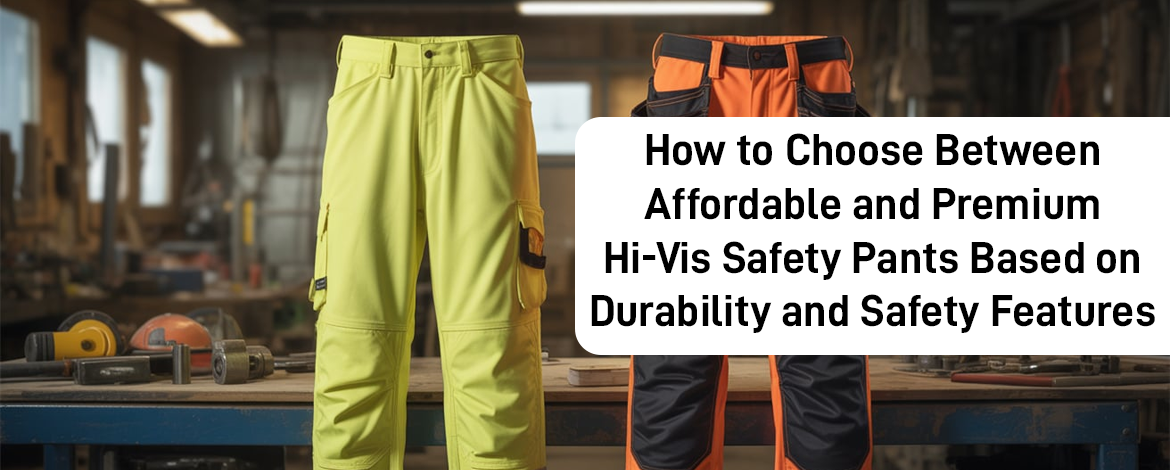
Selecting the right safety pants can significantly affect a worker's protection and comfort on the job.
- 10 min read
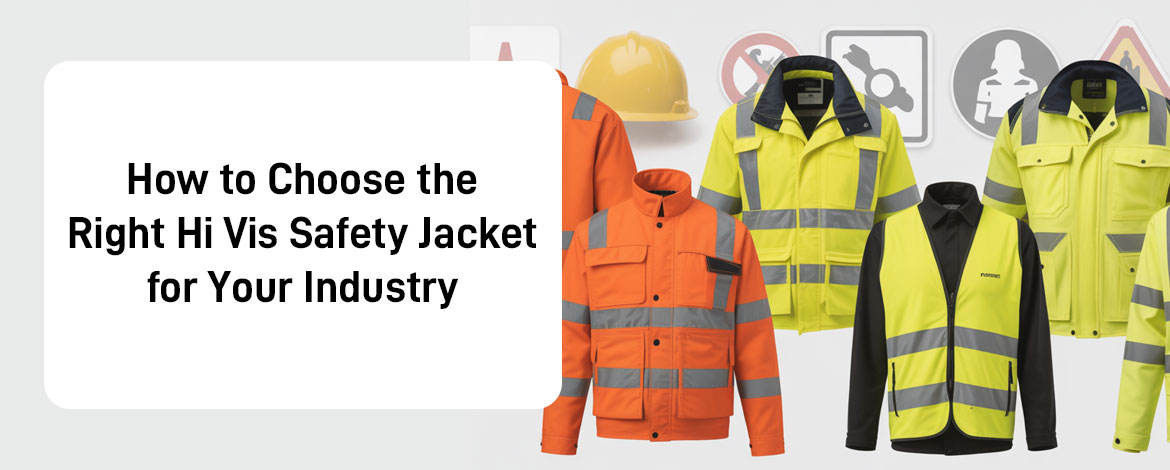
Across construction sites, roadways, warehouses, and industrial facilities, hi vis safety jackets play a critical role in preventing accidents by ensuring workers remain clearly visible in all conditions.
- 30 min read

Workplace safety is essential—on roads, in warehouses, or during repairs, visibility can mean the difference between protection and injury.
- 30 min read