



Short-Sleeve vs Long-Sleeve Safety Shirts: Which Do You Need?
- 30 min read
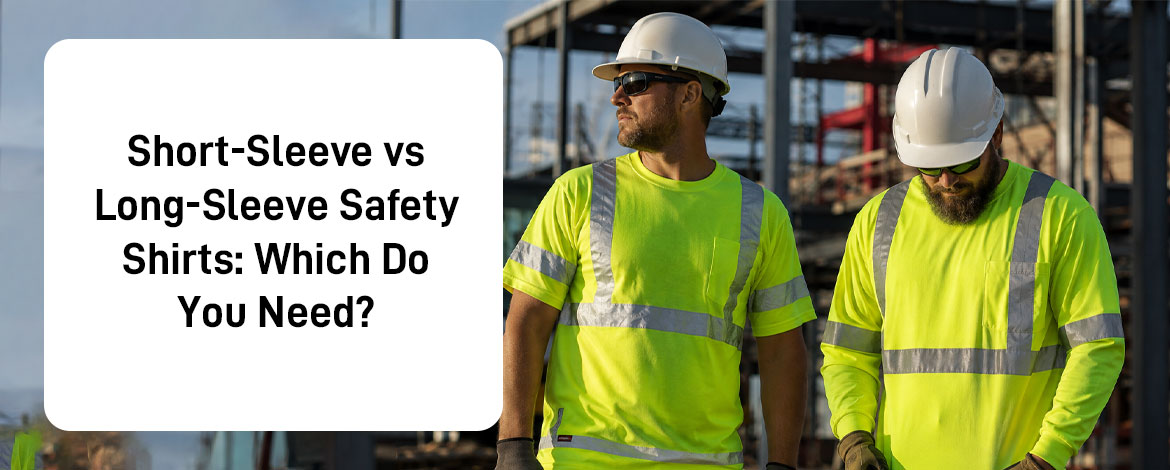
Sleeve length seems like a minor detail on a safety shirt until you're three hours into a shift and your arms are either sunburned or sweating through your shirt. The right choice depends less on preference and more on what your job actually throws at you.
Here's how to figure out which one fits your crew.
Short-Sleeve vs Long-Sleeve: Quick Comparison
|
Factor |
Short-Sleeve |
Long-Sleeve |
|
Best for |
Heat, high-airflow tasks |
Sun exposure, debris, cold mornings |
|
Arm protection |
Minimal |
Scrapes, abrasion, UV coverage |
|
Comfort in hot weather |
Better airflow |
Can trap heat without wicking fabric |
|
Layering |
Easy to layer over |
Works as a standalone layer |
|
Common industries |
Warehouse, summer road work |
Utility, forestry, construction |
What ANSI and OSHA Actually Say About Sleeves
Here's something that surprises a lot of buyers: ANSI/ISEA 107, the standard that governs high-visibility apparel, focuses on requirements such as background material area, retroreflective material, and visibility classes (Class 1, 2, or 3) rather than simply prescribing a sleeve length. A short-sleeve shirt can meet the requirements for its designated visibility class when it has the required material and reflective configuration.
OSHA's high-visibility requirements generally focus on providing appropriate apparel for the hazards involved rather than prescribing a specific sleeve length. For road crews working near traffic, for example, employers must address visibility hazards and select appropriate apparel based on the work environment.
So sleeve length is only one part of the decision. The right choice depends on the job, the hazards, the weather, and the visibility requirements.
If you're still comparing features beyond sleeve length, our guide on What to Look for When Buying Hi-Vis Safety T-Shirts covers ANSI/ISEA 107 classes, fabric, durability, and other factors to consider.
When Short-Sleeve Makes Sense
Short-sleeve shirts win when heat is the bigger risk than what your arms might bump into. Warehouse work, indoor forklift operation, and general road work in summer months are all situations where airflow matters more than coverage.
A few signs that short-sleeve is the right call:
- Shifts regularly hit 85°F or higher
- The work is mostly walking, lifting, or operating equipment, not crawling through brush or handling rough materials
- Workers already layer with arm sleeves or cooling sleeves when needed
For a lightweight option, the Class 3 Hi Vis Safety T-Shirt uses moisture-wicking polyester birdseye mesh for a breathable feel during active shifts.
When Long-Sleeve Makes Sense
Long-sleeve shirts earn their keep in three situations: sun, scrapes, and cold starts.
Sun exposure: Outdoor crews working full shifts in direct sun, utility linemen, road construction, and landscaping can benefit from the added coverage of long sleeves alongside other sun-protection measures.
Abrasion and debris: Forestry work, utility line work near brush, and jobs involving rough materials can benefit from the extra layer between skin and the surrounding environment.
Cold mornings, hot afternoons: A lot of crews start shifts at 50°F and end at 80°F. Long sleeves that can be rolled up, with a tab to keep them secured, give workers more control over changing temperatures without needing a wardrobe change at lunch.
For crews needing additional sleeve coverage, the CornerStone CS409 Class 3 Hi Vis Long Sleeve Safety T-Shirt combines long sleeves with reflective coverage across the body, shoulders, and sleeves.
Fabric Matters More Than Sleeve Length
A long-sleeve shirt in the wrong fabric is worse than a short-sleeve shirt in the right one. Moisture-wicking polyester and birdseye mesh panels under the arms and across the back can make long sleeves more comfortable in heat that would otherwise rule them out. Cotton-heavy blends hold sweat and get heavy, fine for mild conditions, miserable in July.
If your crew has been avoiding long sleeves because of experience with a cotton or poly-cotton hi-vis shirt, it's worth trying a moisture-wicking option before ruling long sleeves out entirely.
Industry-by-Industry Recommendation
- Road construction (summer): Short-sleeve, moisture-wicking, Class 2 or 3
- Road construction (spring/fall): Long-sleeve for temperature swings and sun
- Warehouse: Short-sleeve, prioritize breathability
- Utility/line work: Long-sleeve for abrasion and UV coverage; FR-rated where required by the applicable hazard assessment and electrical safety requirements
- Landscaping/forestry: Long-sleeve for brush and debris protection
- Flaggers/traffic control: Depends on season, short-sleeve in summer heat, long-sleeve outside peak summer months
The Layering Approach
Plenty of crews solve this by stocking both. A moisture-wicking short-sleeve shirt as the base layer, paired with a lightweight long-sleeve hi-vis overshirt for early mornings or high-sun stretches. Workers add or shed layers without compromising visibility requirements when each garment is independently rated for the required ANSI/ISEA 107 class.
This tends to work better than trying to find one shirt that handles every condition a full shift can throw at it.
For more seasonal guidance, see our guide to Safety Shirts for All Seasons.
Shop Hi-Vis Shirts at Hi Vis Kings
Whether your crew needs short-sleeve breathability or long-sleeve coverage, Hi Vis Kings carries options in both. Browse the full safety shirt collection, filter by sleeve length, ANSI class, or brand, to find the right fit for your team's season and job site.
FAQs
1. Does OSHA require long sleeves for hi-vis workers?
No. OSHA's high-visibility requirements generally focus on appropriate apparel for the hazard rather than specifying sleeve length. Employers should select apparel based on the job-site hazards and applicable requirements.
2. Are short-sleeve hi-vis shirts ANSI compliant?
Yes, a short-sleeve hi-vis shirt can meet the requirements for its designated ANSI/ISEA 107 visibility class when it has the required background material, retroreflective material, and garment configuration. Sleeve length alone does not determine the class.
3. Can I layer a short-sleeve shirt for cold weather instead of buying a long-sleeve?
You can, but a purpose-built long-sleeve hi-vis shirt or overshirt can make it easier to maintain the required visibility coverage. If layering garments, make sure the combination is appropriate for the work and that required high-visibility apparel remains visible.
4. Which is more durable, short or long sleeve?
Durability depends more on fabric weight, construction, and garment quality than sleeve length. A long sleeve does add a layer of abrasion protection for the forearms specifically.


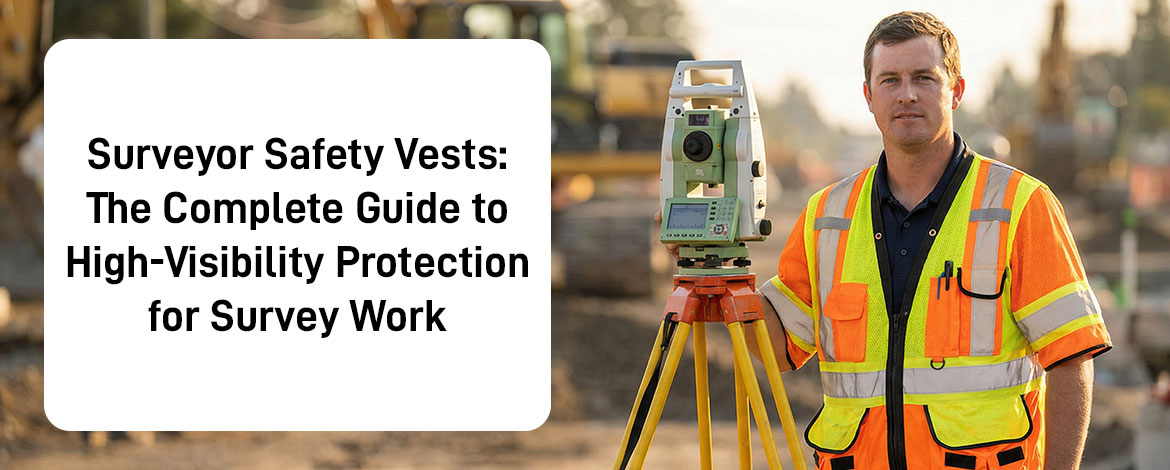
Surveying professionals often operate in high-risk environments where visibility, safety, and regulatory compliance are critical.
- 10 min read
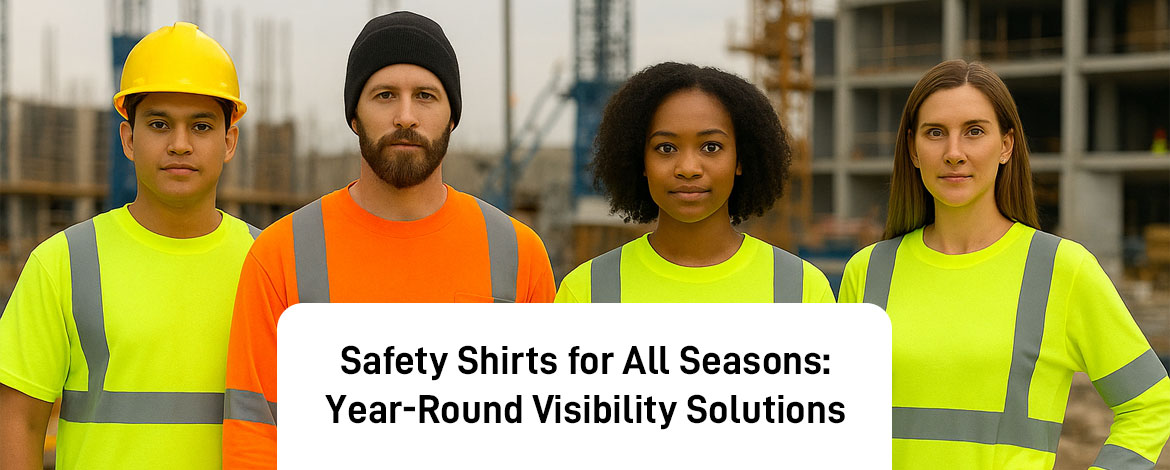
Workplace safety is essential—on roads, in warehouses, or during repairs, visibility can mean the difference between protection and injury.
- 30 min read
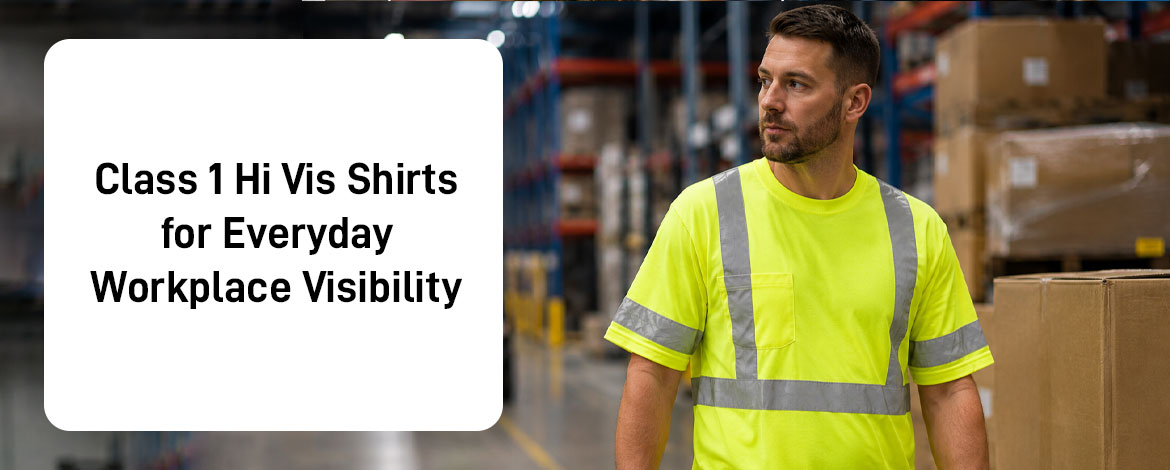
Bright fabric alone does not make a shirt safe. It has to meet a standard, fit the job, and hold up to a full shift of work.
- 30 min read
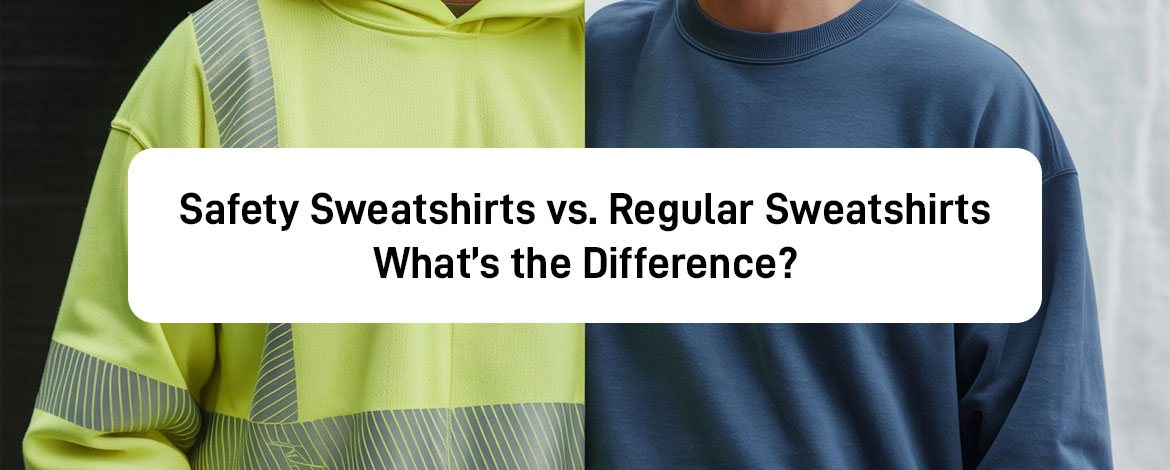
When the temperature drops, a sweatshirt becomes a daily essential for anyone working outdoors. But not all sweatshirts are created equal.
- 10 min read