



What Every Land Surveyor Should Look for in a Safety Vest
- 30 min read
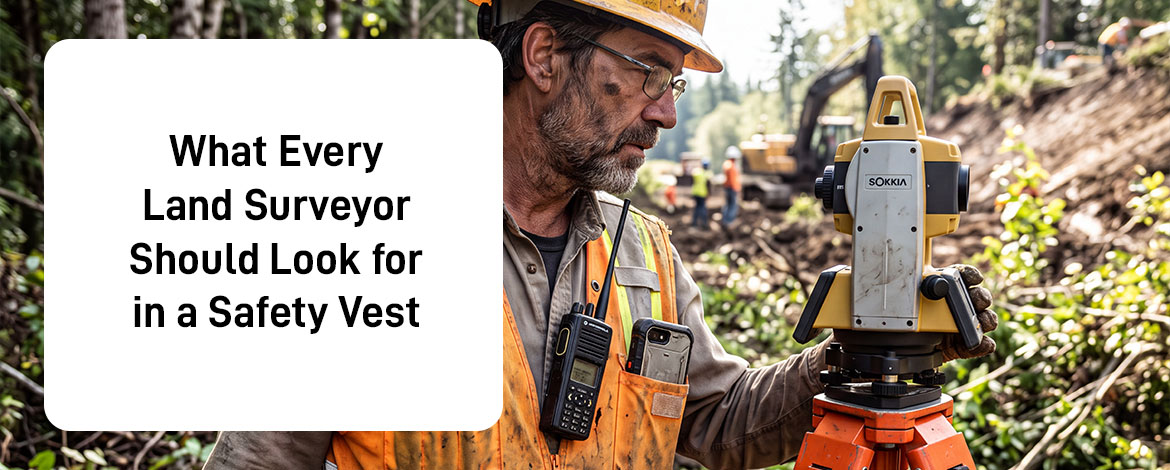
There's a running joke in the survey profession that a party chief's vest is basically a portable office. Field book in one pocket. Pens and markers in another. GPS unit on the chest. Radio on the left. Phone on the right. Flagging tape shoved somewhere. Spray paint can hanging off a loop that was never designed for a spray paint can.
And somehow, by the end of the field season, that vest is held together by habit and one surviving seam.
Land surveyors destroy safety vests like no other trade, not because they're careless but because the job demands more from a vest than almost any other field profession. You walk through brush that tears fabric. You load pockets with pounds of gear. You stand in traffic for one hour and hike a creek bank the next. You sweat through it in July and layer over it in November.
Most safety vests weren't built for this. They were built for a construction worker standing in one spot, or a warehouse worker walking flat aisles. Surveyor vests are a different category entirely, and the difference between a good one and a bad one shows up fast, usually within the first two weeks of field use.
Why Surveyors Need a Different Kind of Vest
Before getting into features and specs, it helps to understand why a standard economy hi-vis vest falls short in survey work.
A land surveyor's day might start on a paved road shoulder shooting roadway cross sections, move to a wooded parcel for a boundary survey, then finish at a construction site setting grade stakes. That's three completely different environments, roadside traffic exposure, off-trail brush, and active heavy equipment zones, inside a single shift.
Each of those environments puts different demands on the vest. Roadside work needs maximum retroreflective visibility and compliance with federal highway worker visibility requirements. Boundary work needs a vest that survives barbed wire, thorns, and close contact with rough vegetation. The construction site needs a vest that stays visible around heavy equipment without catching on rebar, scaffolding, or formwork.
No economy vest handles all three well. That's why the multi-pocket surveyor vest exists, and why the build quality behind it matters more than the price tag on the front.
Getting the ANSI Class Right
The ANSI/ISEA 107-2020 standard classifies high-visibility garments by Type (where you work) and Performance Class (how much visibility the garment provides). For surveyors, the two most relevant classifications are Type O and Type R.
Type O (Off-Road)
Type O garments are designed for workers who are not exposed to traffic on public roadways. If your crew is surveying private property, undeveloped land, or wooded areas with no vehicle traffic, Type O apparel may be sufficient.
However, many survey firms still choose Type R because job sites can change unexpectedly, and crews may end up working near roadways.
Type R (Roadway)
Type R garments are intended for workers who are exposed to traffic on public roads. If any part of your survey takes place within a road right-of-way, on a highway median, at an intersection, or along a public street, Type R is the appropriate choice.
The federal Worker Visibility Rule (23 CFR 634) requires anyone working within the right-of-way of a federal-aid highway and exposed to traffic or construction equipment to wear ANSI/ISEA 107 Class 2 or Class 3 high-visibility apparel. Because survey work frequently takes place near public roads, most survey firms treat Type R as the safest and most practical default.
Class 2 vs. Class 3
Class 2 is the standard choice for most survey work. Under ANSI/ISEA 107-2020, these garments must include at least 775 square inches of fluorescent background material and 201 square inches of retroreflective material. They are designed for moderate-risk environments, traffic speeds between 25 and 50 mph, and daytime conditions with good visibility.
Class 3 is required for higher-risk situations, such as roads with traffic speeds over 50 mph, nighttime work, or low-visibility conditions. These garments must have at least 1,240 square inches of background material and 310 square inches of retroreflective material. They also include sleeves, making them more visible than sleeveless Class 2 vests.
Some survey firms choose Class 3 for all DOT-related work to eliminate any uncertainty about which level of protection is required.
As a general rule:
- Choose Class 2 for residential, commercial, rural boundary, and private land surveys.
- Choose Class 3 for highways, DOT projects, nighttime work, or roads with traffic speeds above 50 mph. You can also achieve Class 3 compliance by combining a Class 2 vest with Class E pants or gaiters.
|
Feature |
Class 2 |
Class 3 |
|
Traffic exposure |
Up to 50 mph |
Over 50 mph or low visibility |
|
Background material |
775 sq. in. minimum |
1,240 sq. in. minimum |
|
Retroreflective material |
201 sq. in. minimum |
310 sq. in. minimum |
|
Sleeve coverage |
Not required |
Required |
|
Typical survey work |
Boundary, topographic, residential |
Highway, nighttime, DOT projects |
Before buying, check the certification label sewn inside the garment, not just the product description or marketing copy. The label should clearly state ANSI/ISEA 107-2020, along with the garment's Type and Performance Class. If that information is missing, the garment is not ANSI-certified, regardless of how bright it appears. Hi Vis Kings' ANSI standards resource walks through how the classification system works if you want the fuller picture.
The Pocket Layout Is Everything
This is where surveyor vests separate from every other hi-vis vest on the market. The pocket configuration determines whether the vest works as a tool system or just a visibility layer you work around.
What Surveyors Actually Carry
Think about what's on your person during a typical field day. A data collector or GPS handheld. A two-way radio. A phone. A field book or Rite in the Rain notebook. Two or three pens and a Sharpie. Flagging ribbon. Sometimes a small measuring tape. Sometimes a box cutter or folding knife. Maybe an inverted spray paint can clipped somewhere.
That's a lot of gear, and every piece needs to be accessible without stopping, putting down the prism pole, or digging through a backpack. The vest pocket layout either makes this seamless or turns it into a constant annoyance.
Pockets That Matter
- Chest-level radio pocket with a mic tab. The radio needs to sit high enough to be heard clearly and reached quickly, and a mic tab or clip loop near the shoulder routes the microphone wire so it stays accessible.
- Dedicated pen slots rather than a generic pocket. Surveyors carry multiple writing instruments: a pencil for the field book, a fine-point pen for notes, a Sharpie for marking, and loose pockets mix them so you lose time sorting every time you need one.
- Interior tablet or large-device pocket. More crews run field software on tablets and large-screen data collectors, and an interior pocket sized for an iPad Mini or a 7-inch data collector keeps the device close to the body and protected from impacts.
- Field book pocket-sized correctly. Rite in the Rain field books measure 4.75 by 7.5 inches, and a pocket that's too narrow or short means the book sticks out and falls, or gets folded and wrecks the binding. A gusseted lower pocket built for those dimensions solves it.
- Lower cargo pockets with flaps for gear you need but don't reach for every five minutes, like flagging tape, spare batteries, and small tools. Snap or Velcro flaps keep it secure while you push through rough terrain.
- A clear ID window on the chest makes it easy to display your badge on DOT projects, federal job sites, and in any location with security checkpoints.
Pockets That Cause Problems
Avoid vests with only open-top pockets and no closures. Tools and gear can easily fall out when you bend, climb, or move through brush. Snap flaps or Velcro closures on at least the lower pockets are well worth the small extra cost.
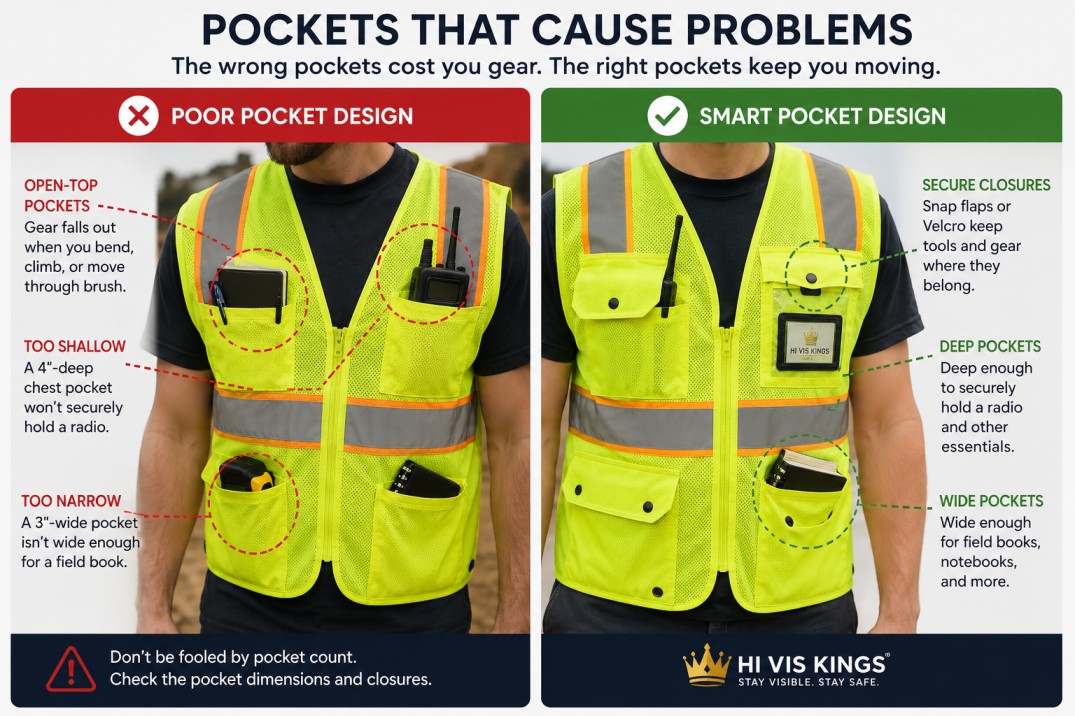
Also, watch out for pockets that look impressive in product photos but are too shallow to be practical. A 4-inch-deep chest pocket won't securely hold a radio, and a 3-inch-wide pocket isn't wide enough for a field book. Check the actual pocket dimensions, not just the number of pockets.
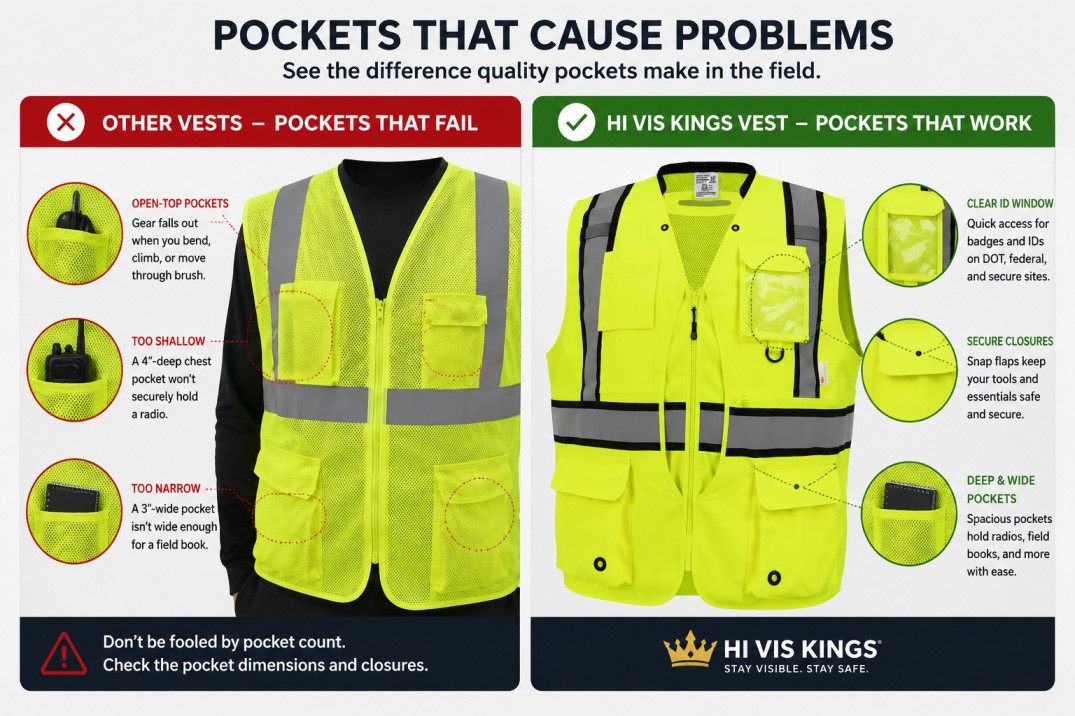
The Global Glove GLO-088 “Kitchen Sink” surveyor vest is a good reference point for what a fully built-out pocket layout looks like. It carries 17 separate pockets, dual mic tabs, a large rear pocket, and internal storage for documents and small tools, in an ANSI Class 2, 300D Oxford build with a breathable mesh back.
Fabric and Construction That Survives the Field
Survey work is harder on fabric than almost any other hi-vis application. The vest gets dragged through brush, loaded with gear, soaked in rain, baked in sun, and washed every week (or not, which creates its own problems).
Mesh, Solid, or Hybrid
Mesh breathes better and weighs less. For summer work in hot climates, such as Texas, Florida, the Gulf Coast, and the Desert Southwest, mesh is the only way to keep a crew in their vests all day. The tradeoff is durability, since mesh snags and tears on brush, barbed wire, and rough contact surfaces.
Solid fabric holds up better. It resists snags and tears, holds reflective tape more securely, and fades more slowly, but it traps more heat. A solid-fabric vest in August in Georgia gets miserable fast.
Hybrid construction, a solid front panel with a mesh back, is the best compromise for most survey crews. The solid front supports loaded pockets and resists brush contact, while the mesh back allows heat and moisture to escape where they build up the most. Hi Vis Kings' Mesh Safety Vests and Solid Fabric Safety Vests collections offer surveyor-friendly options, making it easy to compare different materials and fabric weights side by side.
Fabric Weight and Denier
Choose 200D or 300D polyester for the front panel to balance durability and comfort. For mesh sections, opt for heavy-duty or utility mesh instead of lightweight economy mesh for better long-term performance.
Stitching
Look for double-stitched seams at the shoulders, sides, zipper, and pockets. Bar-tacked reinforcement at pocket corners and closure points is a strong indicator of a durable, work-ready vest.
Zipper Quality
A quality zipper resists dirt, moisture, and the weight of loaded pockets. Choose a #5 gauge or larger zipper with a metal slider for better durability. A storm flap helps keep out debris and extends the zipper's lifespan.
Reflective Tape Is the Part That Wears Out First
Reflective tape is what keeps you visible to drivers in low-light conditions, but it's also the first part of a surveyor's vest to wear out due to constant exposure to sun, rain, dirt, and brush.
When choosing a vest, look for:
- Sewn-on reflective tape instead of heat-sealed tape, as it lasts longer and is less likely to peel, especially on mesh fabric.
- Two-tone reflective tape, which improves daytime visibility by adding color contrast.
- 360-degree reflective coverage, including horizontal bands around the torso and vertical shoulder stripes, for maximum visibility from all angles.
Inspect the reflective tape regularly. Replace the vest if the tape is:
- Cracked or peeling
- Faded or no longer bright silver
- No longer highly reflective, even if the fabric is still in good condition
A vest is only as effective as its reflective tape, so don't rely on appearance alone.
Comfort Features That Determine Whether the Vest Gets Worn
The Bureau of Labor Statistics recorded 5,070 workplace fatalities in 2024, with pedestrian incidents involving vehicles jumping 19% over the previous year. Surveyors working roadside are directly in that risk category. But the best safety vest in the world does nothing if it's sitting in the truck because it's too uncomfortable to wear.
Padded Collar
A padded or rolled collar reduces pressure on the neck, especially when pockets are fully loaded. It's a simple feature that greatly improves all-day comfort.
Adjustable Fit
Look for side tabs, elastic panels, or hook-and-loop closures to customize the fit. A properly fitted vest stays in place without restricting movement.
Proper Sizing
Choose a supplier that offers sizes from Small to 5XL, along with women's and king-size options, so every crew member gets a comfortable, well-fitting vest. Hi Vis Kings carries a dedicated King Size safety vest lineup plus fitted women's workwear for crews that need both ends of the range.
Balanced Weight Distribution
A fully loaded vest can become uncomfortable over a long shift. Features like lightweight mesh panels, padded shoulders, and well-placed pockets help distribute weight evenly and reduce shoulder and neck fatigue.
Special Considerations by Survey Type
Different surveying jobs have different visibility and durability requirements. Choose a vest that matches the work environment.
Boundary & ALTA Surveys
Work in heavy brush calls for solid-panel or hybrid vests with durable, snag-resistant fabric. Black-bottom vests are also a practical choice because they hide dirt and mud stains. The Radians SV55B-2Z black bottom vest is built with exactly this kind of trail-dirt-hiding panel.
DOT & Highway Surveys
Wear at least an ANSI Class 2 vest, though Class 3 is often required for high-speed roads or by state DOTs. Breakaway vests are a good option for roadside work, as they reduce the risk of snagging on vehicles or equipment. Breakaway vests that separate under force if snagged by a passing vehicle or piece of equipment are worth considering for high-traffic roadside work.
Construction Staking
Visibility around heavy machinery is critical. Class 2 is the minimum, but many job sites require Class 3 for all workers.
Topographic & Utility Surveys
Lightweight mesh vests with good ventilation and plenty of storage are ideal for long days of walking in developed areas.
Pipeline & Utility Corridor Surveys
If there's a flash fire risk, choose a flame-resistant (FR) high-visibility vest that meets the required safety standards in addition to ANSI compliance. Hi Vis Kings stocks FR safety vests and Class 3 FR jackets for crews that need both hi-vis compliance and flame resistance in the same garment, though the selection runs smaller than standard hi-vis and the cost runs higher.
The Replacement Schedule Nobody Follows
Survey company owners hate hearing this, but here it is anyway. A surveyor vest used daily in field conditions should be replaced every 4 to 6 months, not when it falls apart, and not when the reflective tape is completely gone. Put it on a schedule.
OSHA's injury and fatality data show that PPE compliance and condition are recurring factors in incident investigations. A vest with degraded reflective tape, faded fluorescent material, and compromised stitching isn't providing the protection it was designed for. It might still look like a safety vest without functioning like one.
Build two to three vests per crew member per year into your PPE budget. It sounds like a lot until you compare it to the cost of a single incident, a single OSHA citation, or a single workers' comp claim. The math isn't close.
FAQs
1. What is the difference between a surveyor vest and a standard safety vest?
A surveyor vest includes multiple pockets, mic tabs, and an ID holder, while a standard safety vest primarily provides high visibility.
2. Do surveyors need a Class 3 vest?
Not always. Class 2 is suitable for most survey work. Class 3 is recommended for traffic speeds over 50 mph, nighttime work, low-visibility conditions, or when required by a state DOT.
3. How often should a surveyor replace a safety vest?
For daily use, replace it every 4–6 months, or sooner if the reflective tape is faded, cracked, or peeling.
4. Can a mesh vest be ANSI compliant?
Yes. As long as it meets ANSI/ISEA 107-2020 requirements and carries the appropriate Type and Class certification, a mesh vest is just as compliant as a solid one.
Gear Up Before Field Season Wears Out Your Current Vest
A vest held together by habit and one surviving seam isn't a safety vest anymore. It's a liability with a reflective stripe on it.
Hi Vis Kings carries a full lineup of multi-pocket surveyor vests across ANSI Class 2 and Class 3, in mesh, solid, and hybrid builds, with field-book-sized pockets, radio loops and mic tabs, tablet sleeves, two-tone reflective tape, black-bottom options, and sizing that runs into King Size territory. Brands like Kishigo, GSS, Cordova, Ergodyne, and Radians are stocked and ready, whether you're outfitting a two-person boundary crew or a 20-person DOT survey team.
Browse the current surveyor vest selection and find the vest built for what your next field season actually demands.


Personal protective equipment (PPE) is non-negotiable for ensuring optimal workplace safety.
- 10 min read

Workplace safety is essential—on roads, in warehouses, or during repairs, visibility can mean the difference between protection and injury.
- 30 min read
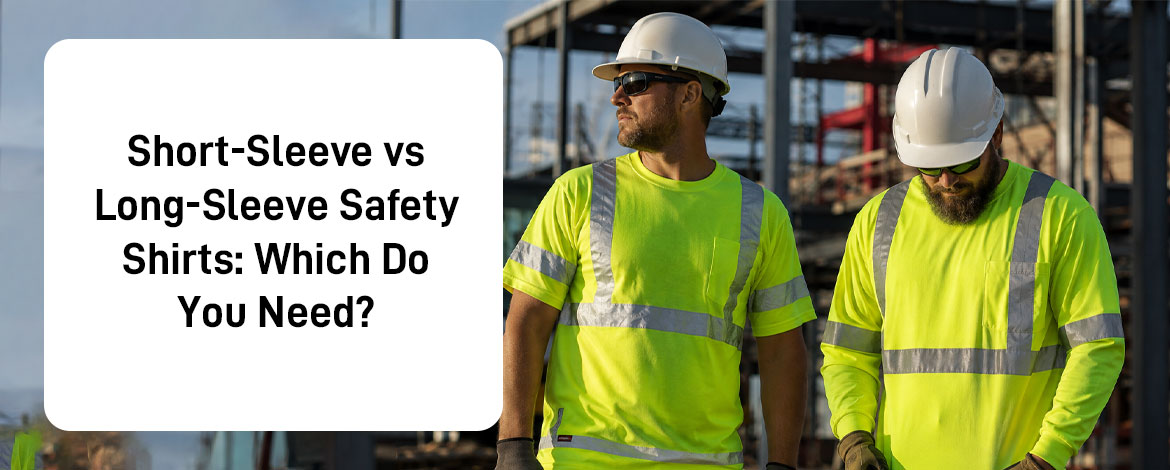
Sleeve length seems like a minor detail on a safety shirt until you're three hours into a shift and your arms are either sunburned or sweating through your shirt.
- 30 min read
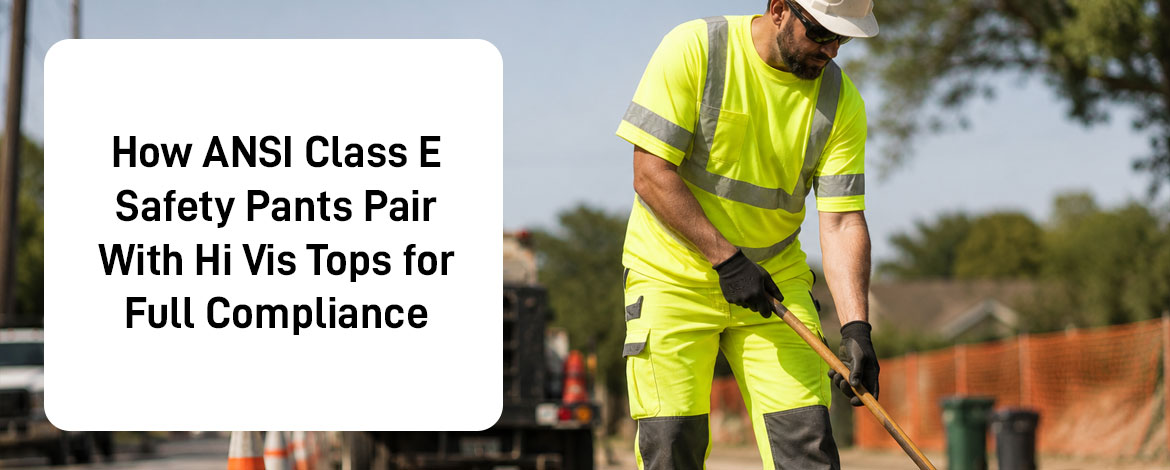
You clip on a bright yellow vest, catch your reflection in the truck window, and figure you're covered for the day.
- 30 min read