



The Role of Waterproof Jackets in Industrial Safety Programs
- 30 min read
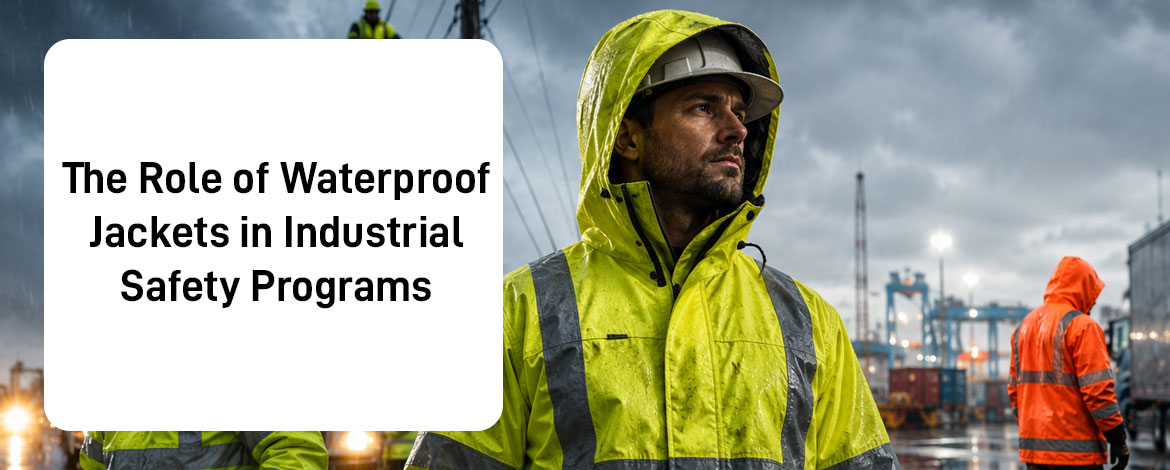
The weather does not pause for job sites. Rain-soaked roadwork crews, utility technicians exposed to wind-driven sleet, and logistics workers navigating open loading docks all share a common vulnerability: the elements.
For safety managers overseeing industrial workforces, unpredictable weather is not a seasonal inconvenience- it is a persistent occupational hazard that demands a structured PPE response.
Waterproof jackets are one of the most practical and high-impact items in any industrial PPE program. When properly selected and consistently worn, they protect workers from hypothermia, cold stress, and weather-related distraction- all of which increase accident risk.
They also support regulatory compliance and, for industries with high-visibility requirements, ensure workers remain detectable in low-light and adverse conditions.
Let us find out why waterproof jackets deserve a formal place in your safety program, what features matter most in an industrial context, and how Hi Vis Kings supports safety managers across construction, utilities, transportation, and more.
Understanding Waterproof Jackets as a Critical Component of PPE
Waterproof vs. Water-Resistant: What the Difference Means on a Job Site
Not all weather-protective garments are created equal. Water-resistant jackets are treated with a DWR (durable water repellent) finish, which causes light rain to bead and roll off. They perform adequately in a drizzle but become saturated in sustained rainfall or when subjected to physical pressure- think leaning against a wet surface or carrying tools against the chest.
Waterproof jackets incorporate a sealed membrane- typically a laminate layer bonded to the outer shell fabric- that completely blocks water penetration. Technologies like Gore-Tex, eVent, and proprietary polyurethane laminates create a barrier that holds up through full shifts in heavy rain. For industrial workers who cannot step indoors when the weather intensifies, this distinction is the difference between being protected and being soaked.
Key construction features that define a genuinely waterproof industrial jacket include critically sealed seams (taped or welded to prevent water ingress through stitch holes), waterproof zippers or storm flaps, adjustable hoods that accommodate hard hats, and cuff closures that keep water from running up the sleeve.
Breathability: The Feature That Makes Waterproofing Wearable
A waterproof jacket that traps heat and moisture inside creates its own discomfort problem. Industrial workers performing physically demanding tasks generate significant body heat, and without breathable fabric technology- measured in g/m²/24h- perspiration accumulates inside the garment, leading to dampness, chilling when activity slows, and reduced willingness to wear the jacket consistently. Quality industrial waterproof jackets balance impermeability with moisture vapor transmission, keeping workers dry from both directions.
Why Waterproof Jackets Are Essential in Industrial Safety Programs
Protection Against Cold Stress and Hypothermia
OSHA recognizes cold stress as a serious occupational health hazard for outdoor workers. Wet clothing dramatically accelerates heat loss from the body- water conducts heat away from the skin approximately 25 times faster than dry air at the same temperature. A worker who becomes soaked during a shift is at significantly increased risk of hypothermia, trench foot, and frostbite in colder climates, even at temperatures well above freezing.
Waterproof jackets serve as the first line of defense in a layering system designed to maintain core body temperature. Combined with moisture-wicking base layers and insulating mid-layers, a waterproof outer shell keeps the system functional through prolonged outdoor exposure- exactly the conditions faced by construction crews, road maintenance workers, and utility technicians.
High-Visibility Waterproof Jackets and Worker Detectability
Many of the industries that require waterproof outerwear also operate in environments where worker visibility is critical. Road construction crews, utility workers near traffic, and rail maintenance personnel all need to be seen by drivers and equipment operators, particularly in the reduced visibility that accompanies heavy rain and overcast conditions.
ANSI/ISEA 107 establishes performance standards for high-visibility safety apparel, specifying minimum requirements for background materials and retroreflective striping for Class 1, Class 2, and Class 3 garments. Class 3 hi-vis waterproof jackets provide the highest level of conspicuity and are required in many roadway work zones under the Manual on Uniform Traffic Control Devices (MUTCD).
Critically, workers who are cold and wet tend to hunch, layer non-compliant garments over their hi-vis apparel, or simply leave hi-vis jackets off. A quality waterproof hi-vis jacket solves this problem at the source: workers stay warm and dry while maintaining full visibility compliance throughout their shift.
Productivity, Morale, and Weather-Related Distraction
Discomfort is a safety risk. A worker distracted by wet clothing, restricted movement from saturated garments, or the physical discomfort of cold stress is less attentive to their immediate environment. Research in occupational health consistently links thermal discomfort to reduced situational awareness and increased error rates. Providing workers with effective waterproof outerwear is not merely a welfare consideration- it is an active risk-mitigation measure that keeps the focus on the task and hazards at hand.
Industries That Depend on Waterproof Safety Jackets
Waterproof safety apparel is relevant across a wide range of industrial sectors. The following industries face consistent weather exposure as a core feature of their operational environment:
- Construction and Roadwork: Outdoor exposure is inherent to the work. Poured concrete, earthworks, and paving operations continue in the rain, making waterproof outerwear a baseline necessity. Roadwork zones additionally require full ANSI/ISEA 107 high-visibility compliance.
- Utility and Telecommunications: Lineworkers, technicians, and field crews operate across all weather conditions on schedules driven by service restoration, not weather windows. FR (flame-resistant) waterproof options are required for electrical hazard environments under NFPA 70E.
- Transportation and Logistics: Dock workers, freight handlers, and transportation inspectors routinely work in open-air or semi-exposed environments where rain and wind are constant variables.
- Oil and Gas Operations: Offshore and onshore extraction environments combine harsh weather with chemical exposure risks, requiring waterproof garments that also meet chemical splash and FR performance criteria.
- Municipal and Public Works: Sanitation crews, parks maintenance workers, and public infrastructure teams operate year-round regardless of conditions, often in environments where high visibility is also mandated.
- Warehousing and Outdoor Facility Maintenance: Even largely indoor operations have outdoor-facing roles- receiving docks, yard management, and facility maintenance- where waterproof outerwear improves comfort and safety.
Key Safety Benefits of Waterproof Work Jackets
Reducing Slip, Trip, and Fall Risk
Wet conditions underfoot are a leading cause of workplace slip-and-fall incidents. While waterproof jackets do not directly affect the ground surface, they contribute to a worker's overall physical stability: a dry, thermally comfortable worker moves more deliberately and confidently than one encumbered by waterlogged clothing. Waterproof hoods with sufficient peripheral clearance also maintain visual awareness in rain, reducing the tendency to look down.
Supporting PPE Compliance and Regulatory Readiness
OSHA's General Duty Clause (Section 5(a)(1)) requires employers to ensure a workplace free from recognized hazards, which includes weather-related hazards for outdoor workers. While OSHA does not mandate a specific type of rain gear, citation risk increases when weather-related illness or injury occurs, and no PPE program was in place to address it.
For industries with high-visibility requirements, ANSI/ISEA 107-compliant waterproof jackets simultaneously meet weather-protection and visibility mandates, streamlining compliance. Safety managers benefit from a documented PPE selection process that demonstrates hazard identification, appropriate garment specification, and employee training- all of which strengthen a company's position in the event of an inspection or incident review.
Emergency Response Readiness
In emergency scenarios- equipment failures, spills, or accident response- workers need to be mobile and functional regardless of conditions. A workforce equipped with appropriate waterproof outerwear is better positioned to respond effectively during weather events without the physical impairment of cold stress or the distraction of inadequate protection.
Features to Look for When Selecting Waterproof Industrial Jackets
Not every waterproof jacket performs equally in an industrial context. When evaluating options for your workforce, prioritize the following:
- Certified waterproof rating: Look for a hydrostatic head rating of at least 10,000mm for sustained rain protection. Critically sealed seams are non-negotiable.
- Breathability rating: A moisture vapor transmission rate (MVTR) of 10,000 g/m²/24h or higher supports comfort during active work.
- ANSI/ISEA 107 compliance: For work near traffic or heavy equipment, confirm the jacket meets Class 2 or Class 3 background material and retroreflective tape requirements.
- FR certification where required: Electrical and petrochemical environments require garments that meet NFPA 70E and NFPA 2112 standards. Not all waterproof jackets offer FR performance.
- Functional storage: Secure, waterproof-zip pockets allow workers to carry phones, tools, and documents safely. Chest pockets are preferable for accessibility while wearing a harness.
- Hard hat-compatible hood: Industrial hoods must accommodate Class E helmets without obstructing peripheral vision or compromising the helmet fit.
- Durability construction: Reinforced elbows, heavy-duty zippers, and abrasion-resistant face fabrics extend garment life in demanding environments.
How Hi Vis Kings Supports Workplace Safety Programs
Hi Vis Kings provides industrial safety managers with a comprehensive selection of waterproof outerwear designed for the demands of real job sites. The range covers the full spectrum of workplace requirements, from ANSI/ISEA 107 Class 3 hi-vis rainwear for roadway applications to non-ANSI waterproof jackets for warehouse and logistics environments, and insulated waterproof outerwear for cold-climate operations.
Every product in the Hi Vis Kings catalog is sourced for durability and performance in demanding industrial conditions. Safety managers can source appropriate PPE for multiple job roles and environmental conditions from a single supplier, simplifying procurement and ensuring consistent quality standards across the workforce.
For organizations scaling PPE programs across large teams, Hi Vis Kings offers options at a range of price points without sacrificing the performance specifications required for job-site safety. Whether you need certified rainwear for a road crew of 50 or insulated waterproof jackets for a utility team working through a northern winter, the product range is built to deliver.
Best Practices for Integrating Waterproof Jackets into Safety Programs
Conduct a Weather Risk Assessment
Begin by documenting the weather conditions your workforce regularly encounters, the duration of outdoor exposure per shift, and the seasonal variation in risk. A risk assessment justifies specific PPE specifications and creates a record of due diligence for compliance purposes.
Match PPE to Specific Job-Site Hazards
A single jacket specification rarely serves every role on a complex site. Classify workers by their exposure profile- traffic exposure (hi-vis requirement), arc flash risk (FR requirement), heavy physical activity (breathability priority), static cold exposure (insulation priority)- and specify jackets accordingly. This approach avoids the common problem of workers wearing the wrong garment for their task, either due to comfort preferences or the simple unavailability of the right PPE.
Training, Inspection, and Maintenance
Waterproof garments require proper care to maintain performance. The DWR finish on outer fabrics and the integrity of sealed seams degrade due to improper washing, contamination by industrial substances, and physical abrasion. Train workers on manufacturer-recommended care procedures, establish inspection checkpoints at the start of each season, and set a replacement schedule based on use intensity.
Workers should also know how to recognize a garment that has lost its waterproofing- when the outer fabric wets out rather than beading, the DWR has been depleted. The jacket is relying on the membrane alone, reducing breathability and increasing the heat-trapping effect. Refreshing DWR with appropriate wash-in or spray-on treatments extends garment life and maintains performance.
Future Trends in Waterproof Industrial Workwear
The industrial workwear market continues to evolve, with several developments relevant to safety managers planning long-term PPE strategies:
- Sustainable waterproof materials: Traditional DWR finishes have historically used PFAS (per- and polyfluoroalkyl substances), which are facing increasing global regulatory scrutiny. Manufacturers are transitioning to PFAS-free DWR chemistries and bio-based membrane materials that maintain performance while reducing environmental impact.
- Advanced breathability: Next-generation membrane technologies are closing the gap between waterproofing and breathability, enabling garments that perform well across a wider range of activity intensities- particularly relevant for physically demanding roles.
- Improved visibility features: Microprism and segmented retroreflective tape technologies are improving conspicuity at greater distances and wider viewing angles, thereby enabling better worker detection in complex environments.
- Smart safety apparel: Emerging integration of environmental sensors, proximity alerts, and biometric monitoring into outerwear represents the next frontier- garments that protect workers physically while also providing real-time data to safety management systems.
Wrapping up
Waterproof jackets occupy a deceptively important position in industrial safety programs. They are, on the surface, outerwear. In practice, they are the difference between a workforce that stays warm, visible, and focused through a full shift in adverse weather, and one that is distracted, uncomfortable, and increasingly exposed to preventable risks.
The business case for quality waterproof PPE is straightforward: reduced weather-related illness and injury, a stronger compliance posture against OSHA requirements and ANSI standards, and a workforce that performs consistently regardless of the forecast. These outcomes are directly tied to product quality- a jacket that fails at the seams or loses its waterproofing after a few months of use undermines the entire program.
Hi Vis Kings provides the industrial waterproof safety apparel that safety managers can rely on to deliver consistent protection across demanding environments. From ANSI-compliant hi-vis rainwear to insulated cold-weather systems, the product range is built for real job sites and real weather.
Building weather protection into your PPE program is not a seasonal add-on. It is a year-round commitment to keeping your workers safe, productive, and visible- whatever the conditions.


In workplaces where visibility, movement, and machinery intersect, safety is never optional.
- 10 min read
When heavy rain strikes, ordinary rainwear simply isn’t enough.
- 30 min read
At Hi Vis Kings, we've helped thousands of American workers, site supervisors, safety managers, and procurement teams gear up correctly.
- 30 min read
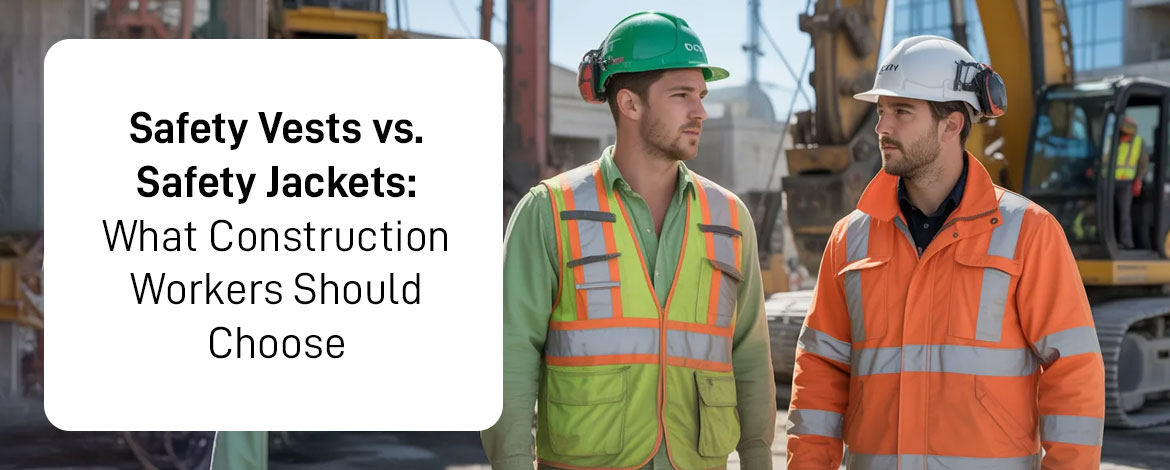
Construction sites are fast-paced, high-risk environments where visibility can mean the difference between safety and serious injury.
- 30 min read