



Hi-Vis Rain Suit Buying Guide for Employers and Safety Managers
- 30 min read
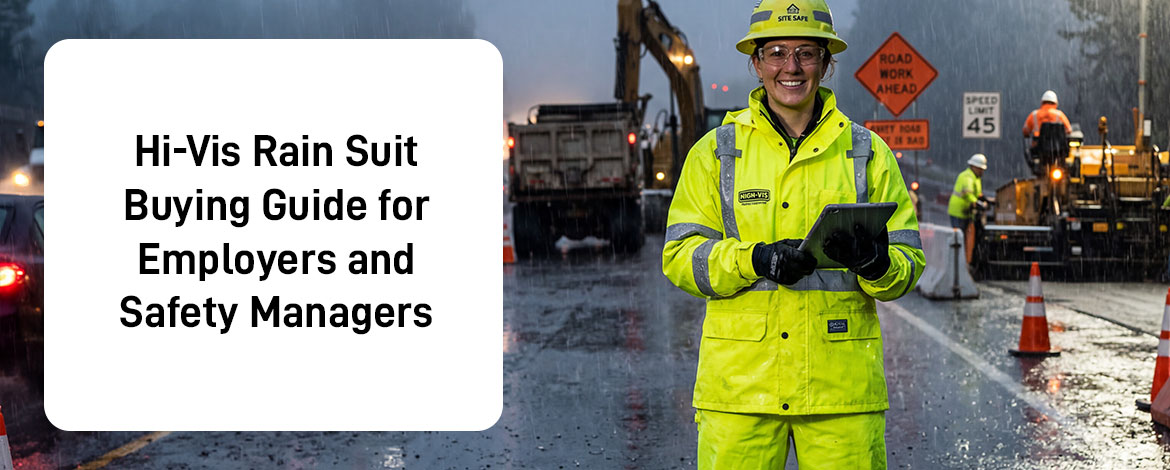
Keeping workers safe in wet, low-visibility environments is a major responsibility for employers across industries. Rain, fog, poor lighting, and harsh weather conditions can increase accident risks on job sites. That’s why investing in the right high-visibility rainwear is more than just a uniform decision; it's an essential part of workplace safety.
A high-quality hi-vis rain suit helps workers stay visible, dry, and comfortable while maintaining productivity during difficult weather conditions. Whether your crew works on highways, construction sites, railways, warehouses, or utility projects, the right waterproof safety apparel can reduce hazards and improve compliance with workplace safety standards.
At Hi Vis Kings, businesses can find durable, ANSI-compliant hi-vis rain suits designed for demanding industrial environments. This guide explains everything employers and safety managers should know before purchasing high-visibility rain gear for their workforce.
What Is a Hi-Vis Rain Suit?
A hi-vis rain suit is a waterproof safety garment designed to protect workers from rain while improving visibility in hazardous work environments. These suits are designed using waterproof materials and feature reflective striping that helps workers remain visible during the day, at night, and in poor weather.
A standard hi-vis rain suit usually includes-
- 1. A waterproof rain jacket
- 2. Waterproof rain pants or bib overalls
- 3. Reflective tape for better visibility
- 4. Bright fluorescent colors such as lime yellow or orange
Unlike regular rainwear, hi-vis rain suits are specifically engineered to meet workplace safety requirements. They combine weather protection with reflective safety features that help prevent accidents in low-light conditions.
Why Employers Need Hi-Vis Rain Suits
Improved Worker Visibility
One of the biggest dangers during rainy weather is reduced visibility. Heavy rain, fog, and dark skies can make it difficult for drivers, equipment operators, and coworkers to see workers clearly.
Hi-vis rain suits use fluorescent colors and reflective striping to increase visibility at a distance. This is especially important for workers near moving vehicles, traffic zones, or heavy machinery.
Better visibility can help-
- 1. Reduce workplace accidents
- 2. Improve worker awareness
- 3. Increase driver reaction time
- 4. Lower injury risks on active job sites
Weather Protection
Wet clothing can quickly make workers uncomfortable and reduce productivity. Prolonged exposure to rain and wind may also contribute to fatigue and illness.
A quality hi-vis rain suit provides-
- 1. Waterproof protection
- 2. Wind resistance
- 3. Protection from cold and damp conditions
- 4. Better comfort during long shifts
Keeping employees dry allows them to focus on their tasks without distraction.
OSHA and ANSI Compliance
Many industries require employers to provide proper personal protective equipment (PPE), including high-visibility apparel.
ANSI standards classify hi-vis garments into different protection levels based on job hazards and visibility requirements. Employers who help ANSI-compliant rainwear maintain safer work environments and support regulatory compliance.
Industries That Require Hi-Vis Rain Suits
High-visibility rainwear is widely used across industries where workers face outdoor hazards and poor weather.
Common industries include-
- Construction- Construction crews often work in changing weather conditions near vehicles and equipment.
- Roadwork and Traffic Control- Workers directing traffic or performing roadside maintenance require maximum visibility.
- Utilities and Electrical Crews- Utility workers frequently operate outdoors during storms and emergency repairs.
- Railways and Transportation - Rail workers need reflective, waterproof gear for safe operations near tracks and moving equipment.
- Warehousing and Logistics- Loading docks and outdoor distribution areas can become hazardous during rain.
- Emergency Response Teams- First responders often work in dangerous weather and low-light conditions.
- Municipal and Public Works- Public maintenance crews require reliable rain gear for road repairs, sanitation, and infrastructure projects.
Key Features to Look for in a Hi-Vis Rain Suit
Not all rain suits offer the same level of protection and durability. Employers should evaluate several important features before making a purchase.
Waterproof Materials
The material used in a rain suit affects durability, comfort, and weather resistance.
Common materials include-
PVC
- Highly waterproof
- Durable for heavy-duty environments
- Ideal for harsh weather conditions
Polyurethane (PU)
- Lightweight and flexible
- Comfortable for extended wear
- Often more breathable than PVC
Polyester with Waterproof Coating
- Lightweight option
- Good balance of durability and comfort
- Common in everyday industrial rainwear
Choosing the right material depends on the work environment and exposure level.
Reflective Tape Placement
Reflective striping is one of the most important safety features in a hi-vis rain suit.
Look for-
- 1. 360-degree reflective visibility
- 2. Wide reflective bands
- 3. Strategically placed striping on arms, legs, chest, and back
High-quality reflective tape improves visibility from multiple angles.
Breathability and Comfort
Workers who wear rain gear for long periods need comfortable designs that allow airflow and movement.
Important comfort features include-
- 1. Breathable fabric construction
- 2. Ventilation systems
- 3. Lightweight materials
- 4. Adjustable cuffs and hoods
Comfortable employees are more likely to consistently wear protective gear properly.
Durability
Industrial work environments can be rough on rainwear. Employers should invest in durable suits that can withstand daily wear and tear.
Look for-
- 1. Reinforced seams
- 2. Tear-resistant fabrics
- 3. Heavy-duty zippers
- 4. Strong stitching
Durable rainwear reduces replacement costs over time.
Proper Fit and Mobility
Rain suits should allow workers to move freely while performing tasks.
A proper fit helps prevent-
- 1. Restricted movement
- 2. Worker discomfort
- 3. Safety hazards caused by loose or oversized garments
Features such as elastic waists, adjustable sleeves, and roomy designs improve mobility.
Storage and Utility Features
Many workers need quick access to tools and communication devices.
Useful features include-
- 1. Waterproof pockets
- 2. Radio loops
- 3. ID holders
- 4. Cargo storage areas
Functional rainwear improves convenience and efficiency on the job site.
Understanding ANSI Safety Classes
ANSI safety classes determine the level of visibility protection provided by high-visibility apparel.
ANSI Class 1
Class 1 garments are intended for low-risk environments with minimal traffic exposure.
Best for-
- 1. Parking attendants
- 2. Warehouse workers
- 3. Low-speed work areas
ANSI Class 2
Class 2 rainwear offers greater visibility for moderate-risk work zones.
Best for-
- 1. Construction workers
- 2. Utility crews
- 3. Airport ground personnel
ANSI Class 3
Class 3 provides the highest level of visibility and is designed for high-risk environments.
Best for-
- 1. Highway construction crews
- 2. Roadside emergency responders
- 3. Workers near high-speed traffic
Employers should select the appropriate ANSI class based on job-site hazards and visibility requirements.
How to Choose the Right Hi-Vis Rain Suit
Evaluate the Work Environment
Different job sites require different types of rainwear.
Consider-
- 1. Heavy rain exposure
- 2. Wind conditions
- 3. Traffic hazards
- 4. Day or nighttime work
Workers exposed to extreme weather may need heavy-duty waterproof suits with additional insulation.
Consider Seasonal Conditions
Rain gear should match the climate and seasonal demands.
For cold environments-
- Choose insulated or layering-compatible suits
For warm climates-
- Select lightweight breathable options
Season-appropriate rainwear improves worker comfort and performance.
Prioritize Worker Comfort
Uncomfortable rain gear often leads to improper usage or reduced compliance.
Look for-
- 1. Flexible materials
- 2. Lightweight construction
- 3. Adjustable features
- 4. Breathable fabrics
Comfortable PPE encourages consistent use.
Think About Bulk Purchasing
Employers purchasing for large teams should consider-
- 1. Size availability
- 2. Uniform appearance
- 3. Long-term durability
- 4. Cost efficiency
Buying reliable gear reduces replacement frequency and improves consistency across crews.
Common Mistakes Employers Make
Buying Non-Compliant Rainwear
Choosing rainwear that does not meet ANSI standards can create serious safety and liability concerns. Workers may not be visible enough in rain, fog, or low-light conditions. Always check compliance labels before purchasing. Properly rated rain suits help protect employees while supporting workplace safety requirements and reducing preventable risks.
Focusing Only on Price
Low-cost rain gear may seem practical at first, but it can lead to higher replacement costs over time. Cheap materials often wear out faster, leak sooner, and provide less reliable visibility. Quality rainwear may cost more upfront, but it usually delivers better comfort, protection, and long-term workplace value.
Ignoring Durability
Durability matters because rainwear is often exposed to harsh weather, rough work environments, and repeated movement. Weak materials can rip, leak, or lose reflective performance quickly. Stronger fabrics, reinforced seams, and reliable waterproof coatings help workers stay dry, visible, and protected throughout demanding shifts and outdoor job conditions.
Failing to Replace Worn-Out Gear
Even good rainwear loses performance over time. Reflective tape can fade, waterproof coatings can break down, and seams may weaken with frequent use. Regular inspections help identify damage before it becomes a safety issue. Replacing worn-out gear ensures workers remain visible, dry, and properly protected during wet conditions.
Maintenance Tips for Hi-Vis Rain Suits
Proper care extends the lifespan of rainwear and maintains visibility performance.
Follow Washing Instructions
Always follow manufacturer cleaning guidelines to avoid damaging reflective tape or waterproof coatings.
Inspect Regularly
Check for-
- 1. Torn seams
- 2. Cracked reflective tape
- 3. Fabric wear
- 4. Leaks
Store Properly
Store rain suits in dry, clean environments away from direct sunlight.
Replace When Necessary
Replace the gear that no longer provides proper waterproofing or visibility.
Why Businesses Choose Hi Vis Kings
Hi Vis Kings offers a wide range of professional-grade high-visibility rainwear for industrial and commercial applications.
Benefits include-
- 1. ANSI-compliant safety apparel
- 2. Durable waterproof construction
- 3. Comfortable designs for all-day wear
- 4. Multiple styles and sizes
- 5. Competitive pricing for businesses
- 6. Reliable customer service
Whether you need rain suits for construction crews, road workers, utility teams, or municipal employees, Hi Vis Kings provides dependable solutions built for demanding work environments.
Frequently Asked Questions
1. How long does a hi-vis rain suit last?
The lifespan depends on usage frequency, work conditions, and maintenance. Heavy industrial use may require more frequent replacement.
2. Are hi-vis rain suits fully waterproof?
Most quality hi-vis rain suits are designed to be waterproof, though performance can vary based on materials and construction.
3. What ANSI class is best for road construction?
ANSI Class 3 rainwear is typically recommended for workers exposed to high-speed traffic or nighttime roadwork.
4. Can hi-vis rain suits be worn during winter?
Yes. Many rain suits are designed to fit over insulated layers for cold-weather protection.
5. How often should reflective rainwear be replaced?
Replace rainwear when reflective tape fades, waterproofing fails, or the garment becomes damaged.
Wrapping up
Investing in high-quality hi-vis rain suits is one of the smartest safety decisions employers can make. Proper rainwear helps protect workers from harsh weather, improves visibility in hazardous environments, and supports compliance with workplace safety standards.
From construction and utilities to transportation and emergency response, durable, waterproof, safety apparel plays a vital role in reducing workplace risks and maintaining productivity.
For dependable ANSI-compliant rainwear designed for demanding industrial environments, browse the professional safety apparel available at Hi Vis Kings.



In a world where workplace safety standards continue to evolve, head protection remains one of the most essential forms of personal protective equipment (PPE).
- 17 min read
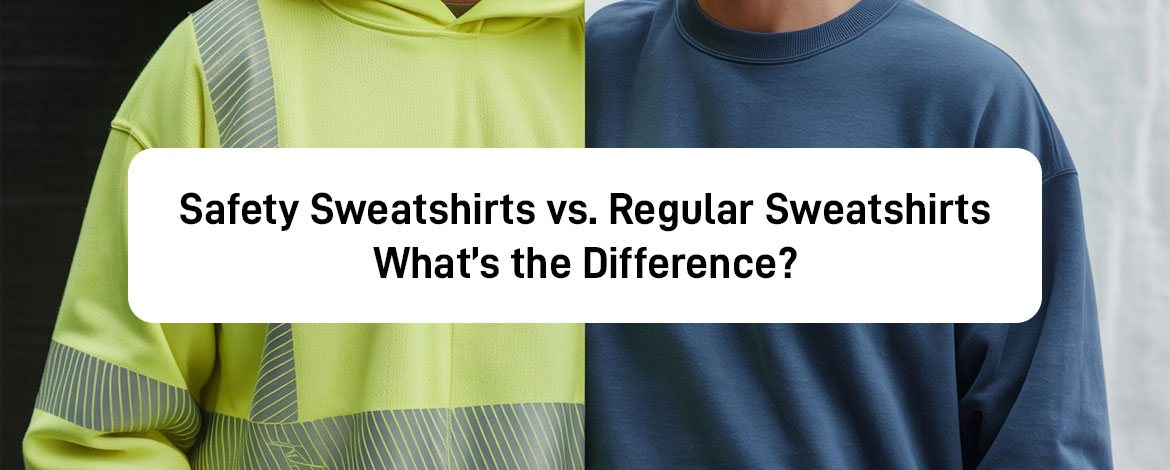
When the temperature drops, a sweatshirt becomes a daily essential for anyone working outdoors. But not all sweatshirts are created equal.
- 10 min read
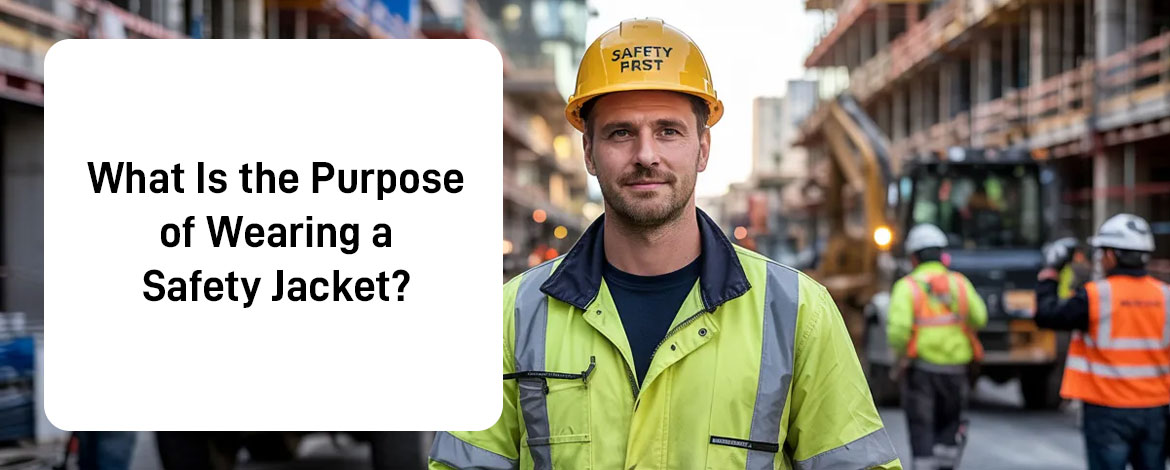
In workplaces where visibility, movement, and machinery intersect, safety is never optional.
- 10 min read
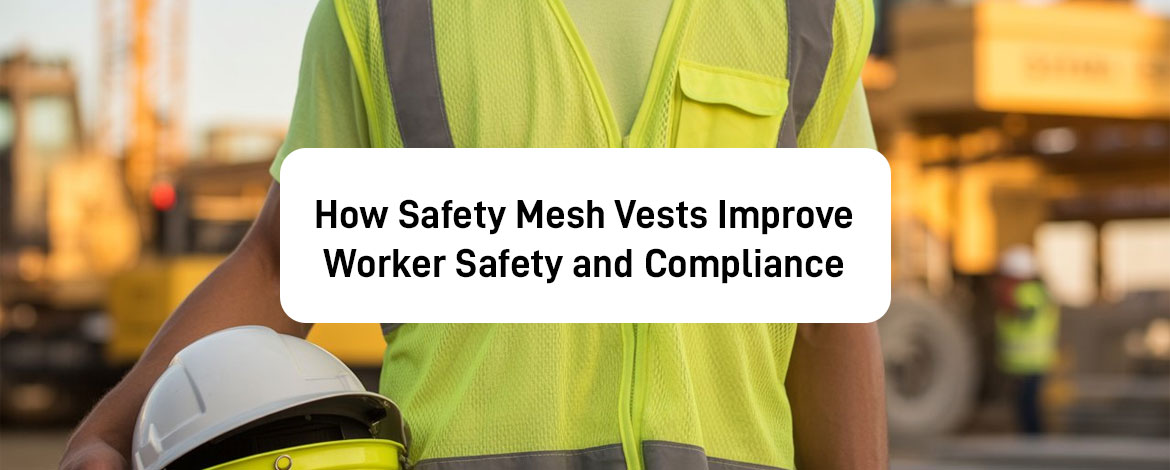
Employees working in high-risk environments, from construction sites to busy roadways, are exposed to countless daily hazards.
- 10 min read