



Forklift Operator PPE: Hi-Vis, Footwear, and Head Protection Rules
- 30 min read
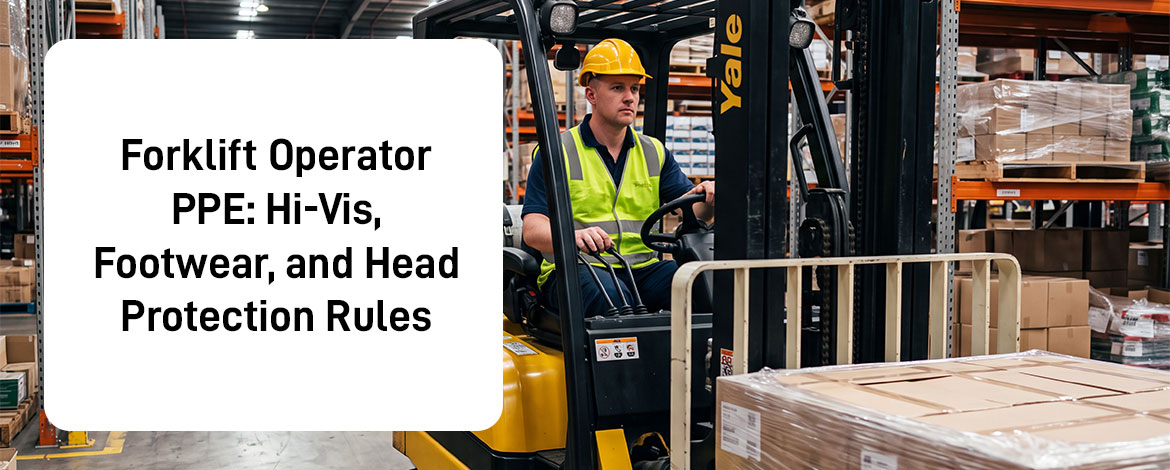
Forklifts are involved in several serious workplace injuries in the US every year, and a large share of them are struck-by incidents. This could include a pedestrian who wasn't seen, a load that came down on a foot, or an operator who hit their head on racking.
Here's the short answer most warehouse managers are looking for: forklift operators typically need a Class 2 high-visibility vest, ASTM F2413-rated safety footwear, and a Type I hard hat wherever overhead hazards exist.
OSHA doesn't publish a single "forklift PPE list." The requirements come from two places working together: the powered industrial truck standard and your own hazard assessment. This guide breaks down exactly what applies, which standards to look for on the label, and where employers commonly get it wrong.
What OSHA Actually Requires for Forklift Operator PPE
Employers must complete a comprehensive forklift hazard assessment to determine their PPE requirements for forklift operator PPE.
1910.178 vs. 1910.132: Where the Rules Really Come From
OSHA 29 CFR 1910.178 governs powered industrial trucks, including training, operation, maintenance, and truck design. What surprises many safety managers is that it says very little about what the operator wears.
The PPE obligation actually flows from OSHA 29 CFR 1910.132, the general PPE standard. It requires every employer to conduct a written hazard assessment of the workplace and then provide PPE that matches the hazards found. In a facility with forklift traffic, that assessment almost always identifies three exposures:
- Struck-by Hazards: Operators and pedestrians sharing aisles, docks, and yards
- Foot Injuries: Pallets, dropped loads, and the truck itself
- Head Injuries: Falling stock from racking, low overhead clearances
That's why the practical forklift PPE standard is hi-vis, safety footwear, and head protection, even though no single regulation lists all three in one place.
Hazard Assessment
If OSHA inspects after a forklift incident and there's no documented hazard assessment, that's a citation on its own. That should come before any question about vests or boots. Do the assessment, write it down, and match your PPE program to it. Everything below assumes you're doing exactly that.
Hi-Vis Requirements for Forklift Operators
High-visibility clothing (HVC) is most needed in outdoor applications like shipping/receiving docks and outdoor staging areas.
When Class 2 is the Right Choice
For indoor warehouses and mixed pedestrian-forklift environments, an ANSI/ISEA 107 Class 2 garment is the standard pick. Class 2 requires more background fabric and reflective tape than Class 1. This matters in a warehouse where the visual background is cluttered with shelving, shrink wrap, signage, and other workers.
Browse Class 2 safety vests in mesh, solid, and zippered styles. For long shifts in warm facilities, mesh safety vests breathe better and get worn more consistently.
One detail worth flagging for forklift zones specifically: snag risk. A vest that catches on a moving truck, racking, or conveyor becomes a hazard itself. Breakaway safety vests release at the shoulders and sides under snag pressure, which is why many facilities mandate them anywhere workers move around powered equipment.
Class 3 for Yards, Docks, and Low Light
Outdoor container yards, night-shift dock work, and any area where trucks move at higher speeds push you into Class 3 territory. The full sleeves with reflective banding will be visible as a human form from 1,280 feet. The full ANSI/ISEA 107-2020 class definitions are published by the International Safety Equipment Association.
The Overlooked Group: Pedestrians
Most forklift struck-by victims aren't operators. They're pedestrians. If your hazard assessment covers forklift traffic zones, hi-vis requirements should apply to everyone who walks through them (pickers, supervisors, delivery drivers, and visitors). A vest-at-the-door policy is cheap insurance.
Head Protection: Hard Hats vs. Bump Caps
OSHA requires a Type I hard hat in every warehouse where there's a dropped load hazard.
When Hard Hats Become Mandatory
Under OSHA 1910.135, head protection is required wherever there's a risk of injury from falling objects. In forklift environments, that means high racking, multi-level stock, and any loading operation where product moves overhead. A Type I hard hat meeting ANSI Z89.1 covers top-impact protection, which is the dominant hazard from falling loads.
Some operations also spec hard hats for low-clearance driving (mezzanines, container interiors, trailer loading) where the hazard is the operator's head meeting a fixed structure. Shop head protection rated to ANSI Z89.1.
Why a Bump Cap Doesn't Cut It
Bump caps protect against scrapes from stationary objects. They are not ANSI Z89.1 certified and do not satisfy OSHA head protection requirements where falling-object hazards exist. If your hazard assessment identifies falling stock and (in a racked warehouse, it should) a bump cap is a compliance gap, not a solution.
Footwear Rules: Steel Toe, Composite, and Metatarsal
Here's where to look when choosing your employees' foot protection.
ASTM F2413 Decoded
OSHA 1910.136 requires protective footwear where there's danger of foot injuries from falling or rolling objects. The consensus standard is ASTM F2413. On the label, look for:
- I/75 and C/75: Impact and compression protection (the baseline for forklift work).
- Mt: Metatarsal protection, covering the top of the foot.
- EH: Electrical hazard rating, relevant for electric forklift charging areas.
- SR: Slip resistance, worth having on polished concrete and wet docks.
Steel vs. Composite Toe
Both meet the same F2413 impact rating, so this is a comfort and environment decision rather than a compliance one. Steel is thinner-profiled and usually cheaper. Composite is lighter, doesn't conduct temperature (a real factor in cold storage), and passes metal detectors. For 10-hour shifts on concrete, most operators end up preferring composite.
When Do Metatarsal Guards Earn their Keep?
A steel toe protects the toes. A pallet corner dropped mid-foot lands behind it. Facilities handling heavy palletized loads, steel stock, or drums increasingly spec Mt-rated boots for exactly this reason. If your incident log shows foot injuries above the toe line, that's your answer.
Other PPE to Consider
Here are some more PPE to consider for forklift operators.
- Hearing Protection: Propane and diesel forklifts running indoors can push noise past the 85 dBA action level, especially in reflective concrete environments. Electric fleets rarely do. Check your noise monitoring data before assuming either way.
- Gloves: Pallet handling shreds bare hands. General-purpose work gloves with cut resistance handle splinters, banding, and staples.
- Eye Protection: Dusty docks, recycling operations, and battery-charging stations (acid splash risk) all justify safety glasses in the assessment.
- Heat Stress Gear: Non-climate-controlled warehouses in summer are a real injury driver. Hi-vis cooling vests and hard hat shades let crews stay compliant without overheating. A Class 2 cooling vest does both jobs at once.
- Fit for Every Operator: PPE that doesn't fit doesn't get worn correctly. For larger team members, king-size hi-vis workwear up to 6XL keeps the whole crew inside the same compliance standard without compromises on coverage or comfort.
Who Pays for Forklift PPE?
Under OSHA's employer payment rule (1910.132(h)), the employer pays for required PPE. That covers hi-vis vests, hard hats, and metatarsal guards. The main exception relevant here: ordinary safety-toe footwear that the employee can wear off-site can be employee-paid, though many employers cover it anyway through boot allowances because it improves compliance and morale.
What an employer cannot do is require PPE and then push the cost onto workers for equipment that stays on-site or is specialty-rated.
Forklift PPE Quick-Reference Checklist
|
Hazard |
Required PPE |
Standard to look for |
|---|---|---|
|
Struck-by (indoor, mixed traffic) |
Class 2 hi-vis vest |
ANSI/ISEA 107-2020, Type R Class 2 |
|
Struck-by (yard, night, high speed) |
Class 3 hi-vis garment |
ANSI/ISEA 107-2020, Type R Class 3 |
|
Snag risk near equipment |
Breakaway vest |
ANSI/ISEA 107 + breakaway design |
|
Falling stock from racking |
Hard hat |
ANSI Z89.1 Type I |
|
Falling/rolling loads (feet) |
Safety-toe boots |
ASTM F2413 I/75 C/75 |
|
Mid-foot crush exposure |
Metatarsal boots |
ASTM F2413 Mt |
|
IC forklift noise >85 dBA |
Earplugs/earmuffs |
NRR appropriate to exposure |
|
Battery charging |
Safety glasses/face shield |
ANSI Z87.1 |
FAQs
1. Do forklift operators need to wear hi-vis vests?
OSHA doesn't name forklift operators specifically, but if the employer's 1910.132 hazard assessment identifies struck-by risk, hi-vis becomes required PPE. This will be required in any shared-traffic facility, and Class 2 is the accepted baseline indoors.
2. Are hard hats required for forklift drivers?
Only where the hazard assessment finds overhead hazards, such as falling stock from racking or low-clearance structures. In most racked warehouses, that means yes.
3. Is a bump cap acceptable instead of a hard hat?
No. Bump caps aren't ANSI Z89.1 certified and don't satisfy OSHA head protection requirements where falling-object hazards exist.
4. Steel toe or composite toe for forklift work?
Both meet ASTM F2413 impact ratings. Composite is lighter and better in cold storage; steel is slimmer and cheaper. Compliance-wise, they're equivalent. So choose on comfort and environment.
5. Who pays for forklift operator PPE?
The employer, with a narrow exception for ordinary safety-toe footwear worn off-site. Vests, hard hats, and specialty boots are employer-paid.
Outfit Your Forklift Crew in One Order
Hi Vis Kings stocks everything from ANSI Class 2 and Class 3 vests, breakaway styles, Z89.1 head protection, gloves, and cooling gear in sizes up to 6XL. Our products can be customized with screen printing and embroidery for company branding. Bulk ordering keeps a full crew compliant without juggling suppliers. Shop safety vests or browse the full PPE range to get started.


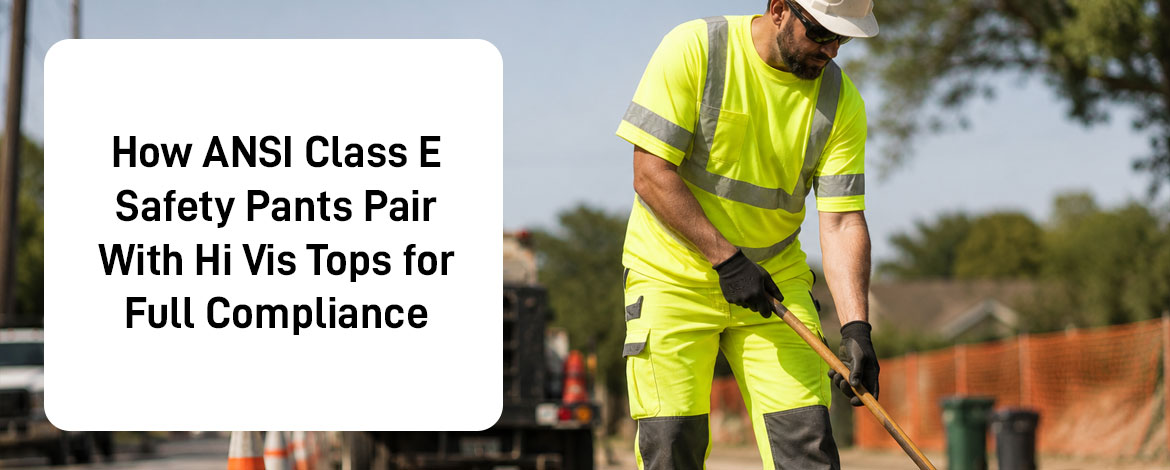
You clip on a bright yellow vest, catch your reflection in the truck window, and figure you're covered for the day.
- 30 min read
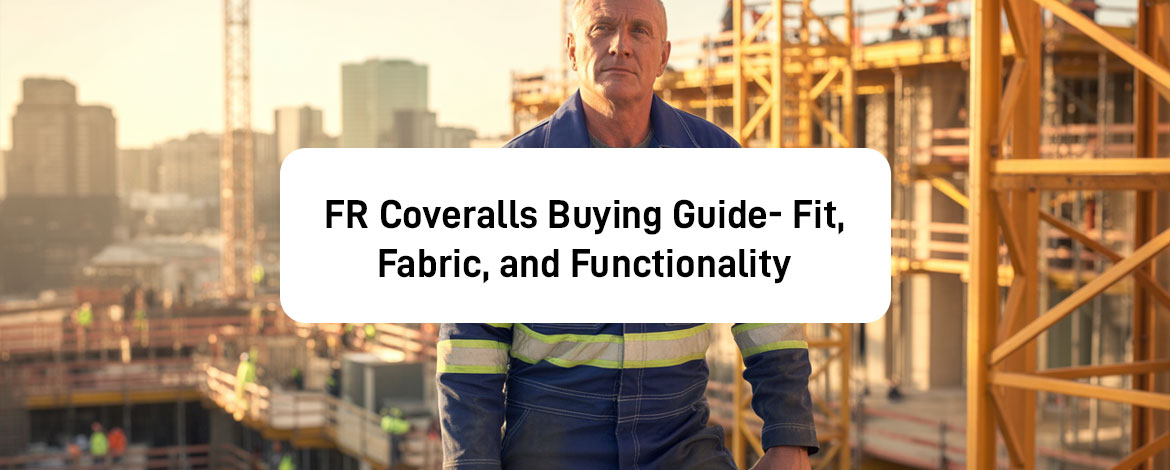
Personal protective equipment (PPE) is non-negotiable for ensuring optimal workplace safety.
- 10 min read
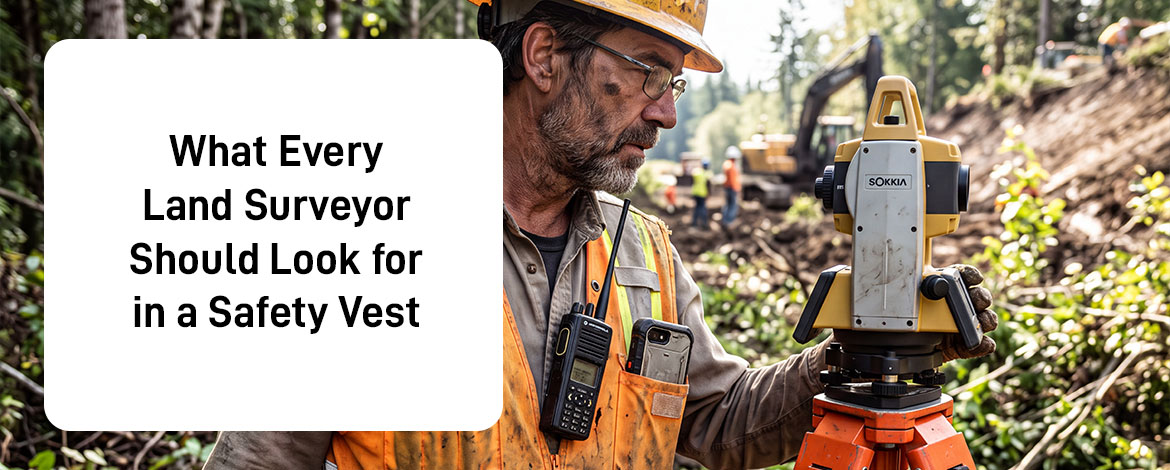
There's a running joke in the survey profession that a party chief's vest is basically a portable office.
- 30 min read
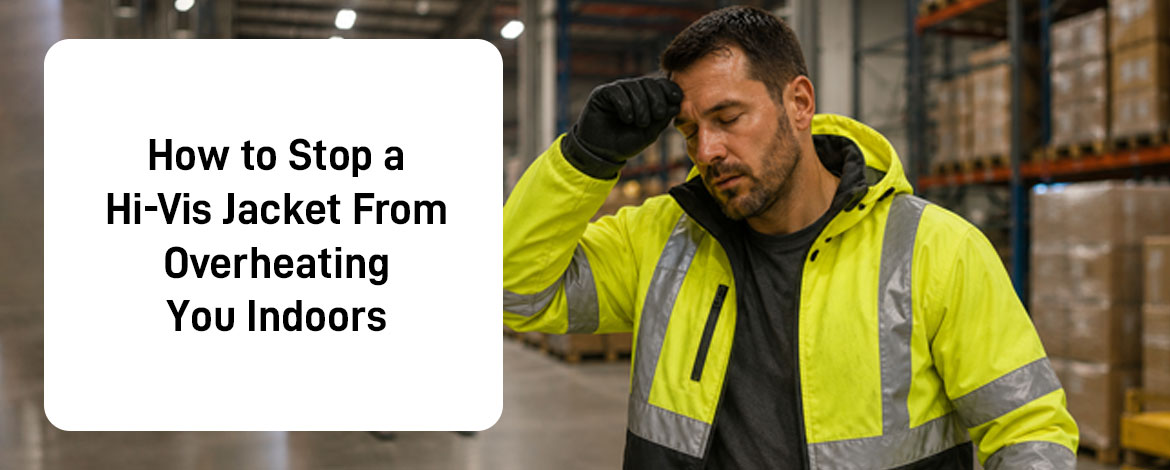
You step through the warehouse doors, and within minutes your hi-vis jacket feels like a sauna. That's not a defect.
- 30 min read