



Essential Hi-Vis FR Jacket Features for Construction Crews
- 30 min read
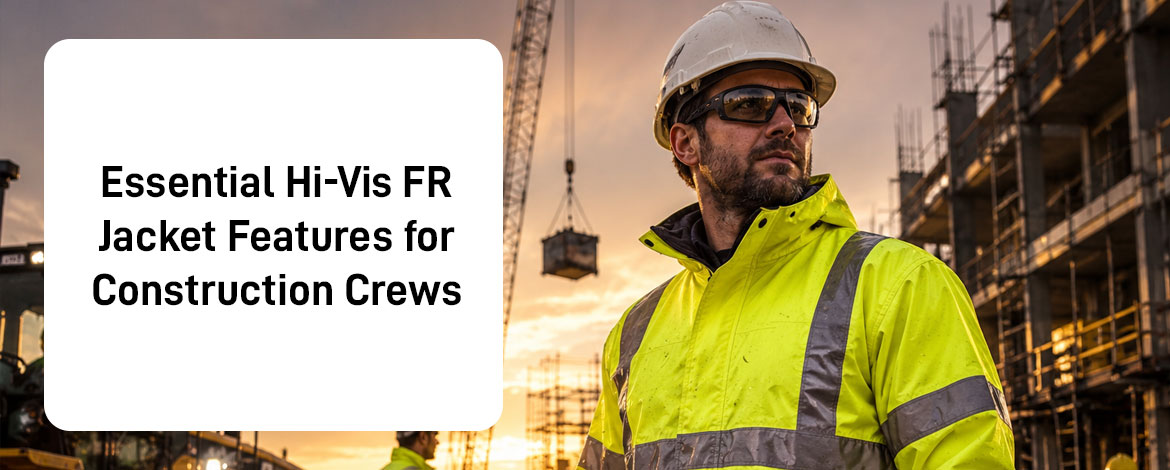
On a modern construction site, two invisible threats compete for your workers' safety- being unseen and being burned. Vehicle operators navigating tight job sites, sparks from welding torches, and the ever-present risk of electrical flash fires all demand gear that can do more than one thing well.
That's where high-visibility flame-resistant (hi-vis FR) jackets come in-and why they've become a non-negotiable part of personal protective equipment (PPE) for construction crews across North America.
Safety requirements for construction workers have grown significantly over the past decade. OSHA mandates, ANSI compliance updates, and evolving NFPA standards have prompted employers to consider the full spectrum of hazards their workers face. A regular reflective vest no longer cuts it when your crew is working near arc flash hazards or open flames.
Equally, a plain FR jacket without adequate visibility puts workers at risk from moving machinery and vehicle traffic.
Hi Vis Kings was built with exactly this challenge in mind: delivering high-quality hi-vis FR jackets that meet the demands of real construction environments, keeping workers visible, protected, and productive through every shift.
Why Construction Crews Need Hi-Vis FR Jackets
Common Hazards on Modern Job Sites
Construction sites are among the most hazard-dense workplaces in any industry. A single shift can expose workers to-
Vehicle Traffic - Heavy-duty trucks, forklifts, and site vehicles operate in the same narrow corridors where workers are active. Poor visibility, especially during early morning hours, dusk, or overcast conditions, dramatically increases the risk of struck-by incidents.
Heavy Equipment- Excavators, cranes, and other large machinery have significant blind spots. Workers must be clearly visible to operators at all times to avoid catastrophic collisions.
Electrical Hazards- Sites with overhead power lines, temporary electrical installations, or workers performing electrical maintenance face arc flash risks. An unexpected electrical event can release tremendous energy in a fraction of a second.
Fire and Flash Fire Risks- Welding, cutting, hot work near fuel lines, and proximity to combustible materials all create flash fire risks. Workers exposed to these conditions need garments that won't ignite and add to the danger.
The Dual Protection Advantage
A hi-vis FR jacket doesn't just combine two protective features-it multiplies their value. High visibility ensures workers are seen and avoided. Flame resistance ensures that if an ignition event occurs, the jacket doesn't become part of the hazard. Together, these features address the two most common and severe risk categories on construction sites- struck-by incidents and thermal injury. No construction crew operating in mixed-hazard environments should settle for one without the other.
High Visibility Features Every Construction Jacket Should Have
Fluorescent Safety Colors
The foundation of any hi-vis garment is its background color. ANSI standards recognize two primary fluorescent colors for daytime visibility-
Hi-Vis Yellow-Green- This color sits at the peak of human visual sensitivity, making it the most detectable option across a wide range of lighting conditions. It performs exceptionally well in natural daylight and mixed environments.
Hi-Vis Orange- Highly effective for contrast against green or natural environments, orange is a go-to choice for road construction and outdoor sites where the background is predominantly earth-toned or vegetated.
Reflective Striping Placement
Fluorescent color alone isn't enough when the sun goes down. Reflective tape activates under artificial light sources-vehicle headlights, site lighting, and equipment beams-to make workers visible at distances where color alone would fade.
Look for jackets with 360-degree reflective striping, meaning bands wrap around the entire torso, with additional striping on the shoulders and sleeves. This ensures a worker is visible regardless of the direction they're facing relative to an approaching hazard. For improved low-light performance, wider retroreflective tape and segmented striping patterns provide greater surface area and detection range.
ANSI Visibility Compliance
The American National Standards Institute (ANSI) and the International Safety Equipment Association (ISEA) define three visibility classes under ANSI/ISEA 107-
- Class 1- Minimum visibility, suitable for low-risk environments with separation from vehicle traffic.
- Class 2- Intermediate visibility, appropriate for areas where traffic moves up to 50 mph, and worker attention may be divided.
- Class 3- Maximum visibility, required for high-risk environments such as active roadways, sites with fast-moving equipment, and low-visibility conditions.
For most construction environments, particularly those with active vehicle traffic or heavy equipment, Class 2 or Class 3 is the appropriate choice.
Flame-Resistant Fabric Technology Explained
What Makes a Jacket Flame-Resistant?
Flame-resistant fabrics are engineered to resist ignition, self-extinguish when the heat source is removed, and not melt or drip onto skin. Standard workwear, by contrast, can ignite readily and continue burning, dramatically worsening burn injuries. An FR jacket may not prevent all thermal injury, but it dramatically reduces burn severity and the time skin is exposed to flame.
Inherent vs. Treated FR Fabrics
There are two primary approaches to achieving flame resistance-
Inherent FR Fabrics- These materials have flame-resistant properties built into the fiber structure itself-brands like Nomex and Kevlar are examples. The FR protection cannot be washed out or worn away, making these exceptionally durable for long-term use.
Treated FR Fabrics- These are conventional fabrics, often cotton or cotton blends, that have been chemically treated to achieve flame resistance. They can be more affordable, but their protection level can diminish with repeated laundering if care instructions aren't followed precisely.
Long-Term Protection Benefits
For construction crews who put jackets through heavy daily use and frequent washing, inherently FR fabrics often represent the better long-term investment. The protection level doesn't degrade, reducing the need for frequent replacement and maintaining compliance throughout the garment's life.
Hi Vis Kings offers a comprehensive range of FR jackets designed specifically for demanding construction environments, with both inherent and treated FR options to match varying budgets and use requirements.
Arc-Rated Protection for Electrical Safety
Understanding Arc Flash Hazards
An arc flash is an explosive electrical discharge that releases intense heat, light, and pressure in milliseconds. Temperatures at the arc can exceed 35,000°F-hotter than the surface of the sun. Workers near electrical panels, transformers, or live wiring face this risk daily.
Arc Ratings and Their Importance
Arc-rated garments are tested and assigned an Arc Thermal Performance Value (ATPV), measured in calories per square centimeter (cal/cm²). This rating indicates the maximum incident energy the garment can absorb before there's a 50% probability of a second-degree burn. Higher cal/cm² ratings indicate greater protection. NFPA 70E establishes arc flash boundaries and the minimum PPE arc ratings required for different risk categories.
Construction Roles That Require Arc Protection
Electricians, electrical apprentices, maintenance workers, utility crews, and anyone working near exposed energized equipment should wear arc-rated hi-vis FR outerwear. Many construction sites now mandate arc-rated PPE for all workers in electrical work zones, regardless of role.
Weather Protection Features Construction Workers Need
Waterproof FR Jackets
Rain doesn't pause construction schedules. Waterproof FR jackets use laminated or coated outer shells that repel moisture while maintaining flame resistance. Waterproofing treatments must be FR-compatible; some standard DWR (durable water repellent) treatments can compromise FR properties.
Windproof Outer Shells
Wind chill dramatically accelerates heat loss, increasing the risk of fatigue and cold stress. Windproof membranes block convective heat loss without sacrificing breathability, keeping workers warmer in exposed outdoor environments.
Insulated Jackets for Cold Weather
For winter work, insulated FR jackets layer FR-rated fill material-often FR-treated batting-inside an FR outer shell. This eliminates the need to layer a non-FR insulating layer underneath, which could violate PPE layering safety requirements on certain job sites.
Breathable Materials for Warm Conditions
In hot weather, moisture-wicking and breathable FR fabrics help manage heat stress. Lighter-weight FR weaves allow air circulation while maintaining protection, reducing the risk of heat-related illness during summer shifts.
Comfort and Mobility for Long Workdays
Lightweight Yet Protective Designs
Heavy, stiff PPE gets removed. Workers who feel restricted or fatigued by their gear often find reasons to take it off, undermining its purpose. Modern hi-vis FR jackets are engineered to deliver full protection in lighter, more flexible constructions that workers are willing to wear all day.
Flexible Construction for Improved Movement
Articulated patterning-where seams and panels are pre-shaped to follow the body's natural movement-allows workers to reach, bend, and climb without fighting their jacket. Gusseted underarms and stretch panels at key stress points make a meaningful difference over a ten-hour shift.
Adjustable Features for Better Fit
A jacket that doesn't fit well is a safety liability. Look for-
- Adjustable Cuffs- Velcro or snap cuffs seal out wind and prevent sleeves from riding up during overhead work.
- Adjustable Hoods: Drawcord hoods that can be cinched down or removed entirely provide flexibility in all weather conditions.
- Waist Adjustments- Internal or external drawcords allow workers to customize fit over base layers, improving both comfort and thermal performance.
Durability Features That Matter on Tough Job Sites
Reinforced Seams and Stitching
Construction jackets take punishment, snagging on rebar, rubbing against rough surfaces, and enduring constant physical stress. Triple-stitched or bar-tacked seams at high-stress points like pockets, armholes, and sleeve cuffs prevent premature failure and extend garment life.
Heavy-Duty Zippers and Closures
A zipper failure in cold, wet conditions is more than inconvenient-it's a safety issue. Coil-free, heavy-gauge zippers with FR slider pulls, and storm flaps maintain both closure integrity and flame resistance at the jacket's most vulnerable point.
Abrasion-Resistant Materials
Reinforced panels at the elbows, cuffs, and lower torso protect the areas most prone to wear. Ripstop weaves prevent small tears from propagating, keeping the jacket functional and compliant much longer than standard constructions.
Long Service Life and Cost Savings
A quality hi-vis FR jacket costs more upfront than a standard reflective vest, but when durability and compliance are factored in, the cost-per-wear calculation shifts dramatically. Replacing cheap gear frequently is more expensive than investing in quality from the start.
Functional Storage and Utility Features
Multiple Secure Pockets
Construction workers carry phones, documents, tools, and personal items through demanding conditions. Chest pockets with zipper or hook-and-loop closures keep essentials secure during overhead work. Lower hand-warmer pockets with secure closures prevent loss during active movement.
Radio and ID Holder Access
Many job sites require workers to carry two-way radios and visible identification. Dedicated chest loops, D-ring attachment points, and clear ID windows on hi-vis FR jackets integrate these requirements without requiring workers to carry separate accessories.
Glove-Friendly Closures
Fumbling with tiny toggles while wearing work gloves wastes time and creates frustration. Oversized zipper pulls, large-format velcro tabs, and easy-grip closures are small design details that make a significant difference in cold or glove-mandatory environments.
Tool and Equipment Accessibility
Interior loops, side-access pockets, and pass-through designs for safety harness straps give workers convenient access to the tools they use most without removing their protective gear.
Safety Standards to Look for Before Buying
ANSI/ISEA Compliance
Verify that your jacket meets ANSI/ISEA 107 for high-visibility performance at the correct class for your work environment.
Employer PPE Requirements
Always cross-reference individual jacket specifications against your employer's written PPE program and any site-specific hazard assessments—some projects, particularly those involving utilities, petrochemical work, or government contracts, have requirements that exceed general OSHA minimums.
How to Choose the Best Hi-Vis FR Jacket for Your Construction Crew
Assess Job Site Hazards
Start with a thorough hazard assessment. Identify exposure to vehicle traffic, electrical hazards, flash fire risks, and environmental conditions. The hazard profile determines which protective features are non-negotiable and which are preferable.
Consider Seasonal Conditions
A single jacket rarely serves all seasons on active construction sites. Many crews maintain a lightweight or shell FR jacket for warm weather and an insulated version for winter, both meeting the same visibility and FR standards.
Evaluate Required Safety Standards
Confirm ANSI class requirements, FR ratings, and arc ratings based on your hazard assessment and any applicable regulatory or contractual requirements before purchasing.
Balance Comfort, Durability, and Protection
Protection that workers refuse to wear provides no protection. Invest time in evaluating fit and comfort. Durable construction reduces long-term cost. The best jacket is the one that checks every compliance box and that your workers will actually wear every day.
Why Construction Professionals Choose Hi Vis Kings
Extensive Selection of Hi-Vis FR Jackets
Hi Vis Kings offers one of the most comprehensive selections of hi-vis FR outerwear available, spanning multiple styles, insulation levels, and protection ratings to match virtually any construction application.
Compliance-Focused Safety Apparel
Every jacket in the Hi Vis Kings catalog is sourced with compliance in mind-ANSI/ISEA 107, NFPA 2112, and NFPA 70E compliant options are clearly identified, making it simple for safety managers to make confident purchasing decisions.
Durable Workwear Built for Demanding Conditions
Hi Vis Kings prioritizes construction-grade durability, reinforced stitching, heavy-duty closures, and abrasion-resistant fabrics designed to withstand the physical demands of real job sites.
Reliable Protection for Construction Crews
From highway construction to commercial building projects, Hi Vis Kings equips crews with the protection they need to work safely and compliantly, shift after shift.
Common Mistakes to Avoid When Purchasing FR Jackets
- Ignoring compliance requirements- Purchasing a jacket without verifying ANSI class, FR rating, or arc rating against job site requirements can result in non-compliance and real safety gaps.
- Prioritizing cost over protection- The cheapest option rarely delivers the durability, compliance, or comfort that construction environments demand.
- Choosing inadequate visibility levels- Selecting Class 1 gear for a Class 2 or Class 3 environment puts workers at unnecessary risk.
- Overlooking weather-related features- A jacket that's right for summer may be dangerously inadequate in winter; match outerwear to seasonal conditions.
- Neglecting durability considerations- Thin materials and weak closures fail quickly under construction conditions, creating ongoing replacement costs and compliance interruptions.
Investing in Worker Safety with Hi-Vis Kings
The return on investment in quality hi-vis FR gear is measurable and real-
- Improved job site safety-fewer struck-by incidents, reduced thermal injury severity.
- Better worker visibility-360-degree detection in all lighting conditions.
- Reduced injury risks-compliance with ANSI, NFPA, and OSHA requirements reduces incident rates and liability exposure.
- Long-term value-durable, compliant gear costs less over time than cycling through budget replacements.
Wrapping Up
Hi-vis FR jackets are among the most important PPE investments a construction employer can make. They address visibility and thermal hazards simultaneously, meet evolving regulatory requirements, and, when chosen correctly, are comfortable enough for workers to wear consistently throughout every shift.
The key is selecting genuinely compliant gear that is built to last and appropriate for your specific job site hazards and environmental conditions. Cutting corners on any one of these criteria creates real gaps in worker protection.
Hi Vis Kings has built its reputation by providing construction professionals with hi-vis FR apparel that checks every box- compliance, durability, comfort, and utility. For crews working in demanding environments where visibility and flame resistance aren't optional, Hi Vis Kings is a trusted partner for job-site safety.
FAQs
1. What is the difference between a standard hi-vis jacket and a hi-vis FR jacket?
A standard hi-vis jacket provides high visibility through fluorescent colors and reflective tape, but offers no protection against ignition or flame. A hi-vis FR jacket combines the same visibility features with flame-resistant fabric that resists ignition and self-extinguishes. It does not melt onto skin, providing dual protection for workers in mixed-hazard environments.
2. Are Hi Vis Kings FR jackets ANSI compliant?
Yes. Hi Vis Kings offers FR jackets that comply with ANSI/ISEA 107 visibility standards across multiple classes, with compliant options clearly identified to support accurate purchasing decisions for safety managers.
3. What industries benefit from high-visibility FR outerwear?
Beyond construction, hi-vis FR outerwear is widely used in oil and gas, utilities and electrical maintenance, road work and highway construction, mining, petrochemical processing, and emergency response-any industry where workers face both visibility and thermal hazard exposures.
4. How often should FR jackets be replaced?
FR jackets should be inspected regularly and replaced when they show signs of damage, significant wear, contamination that cannot be cleaned, or when the FR protection is known or suspected to have degraded. Treated FR garments may require earlier replacement than inherent FR options, particularly if laundering instructions haven't been followed. Always follow manufacturer guidelines and conduct visual inspections before each use.
5. Can FR jackets be worn year-round?
Yes, with the right selection. Hi-vis FR jackets are available in lightweight shell versions for warm weather, mid-weight options for transitional seasons, and insulated versions for cold weather. Many crews maintain multiple options to ensure compliant, comfortable protection in all seasons.
6. What safety standards should construction workers look for in an FR jacket?
At a minimum, look for ANSI/ISEA 107 compliance for the appropriate visibility class, NFPA 2112 certification for flash-fire environments, and NFPA 70E arc ratings where electrical hazards are present. Always verify that the jacket you select meets your employer's written PPE requirements and any project-specific safety specifications.


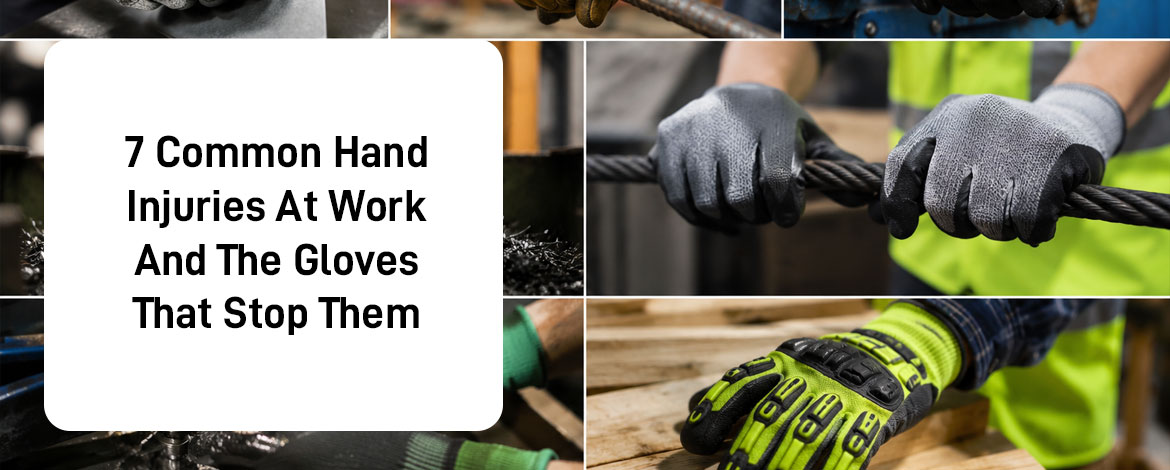
Your hands do more physical work than almost any other part of your body on the job, and it shows in the injury data.
- 30 min read
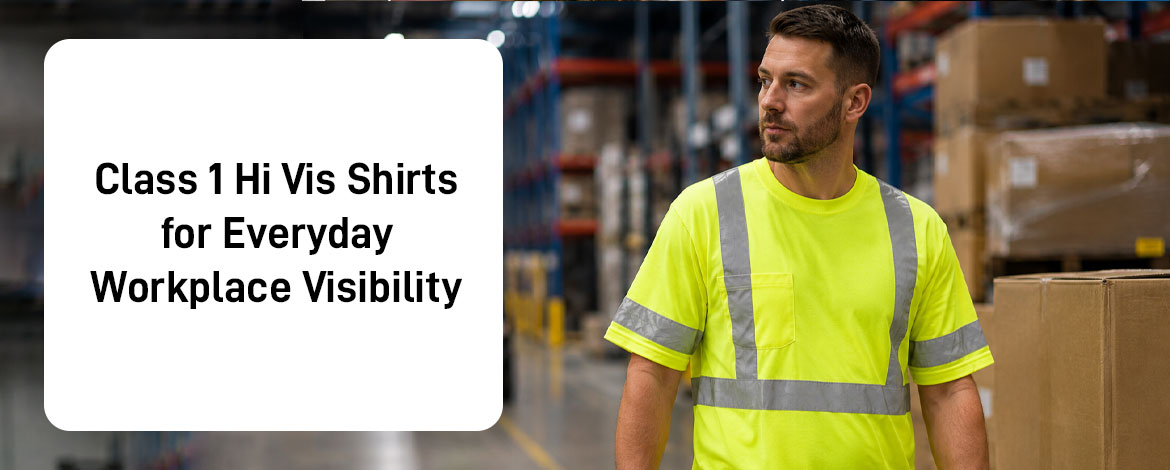
Bright fabric alone does not make a shirt safe. It has to meet a standard, fit the job, and hold up to a full shift of work.
- 30 min read
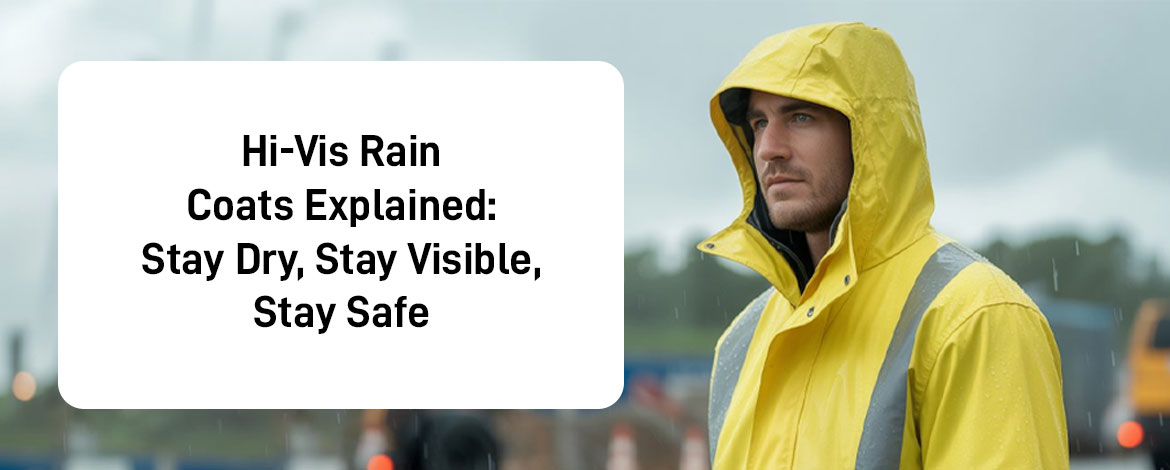
Staying protected on the job is more than just wearing proper equipment, it's about staying visible, comfortable, and safe in every possible weather condition
- 10 min read
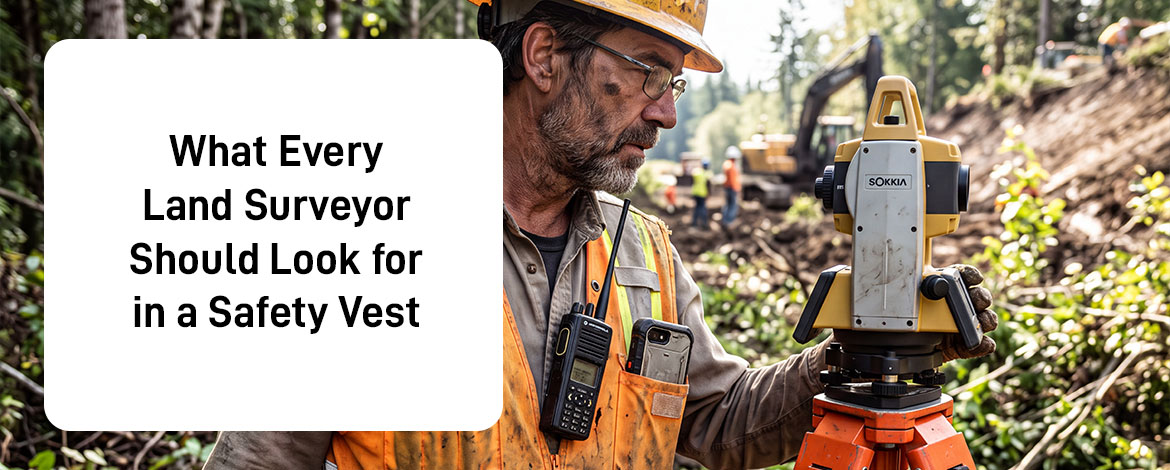
There's a running joke in the survey profession that a party chief's vest is basically a portable office.
- 30 min read