



Different Types of Safety Shirts and Their Applications
- 30 min read
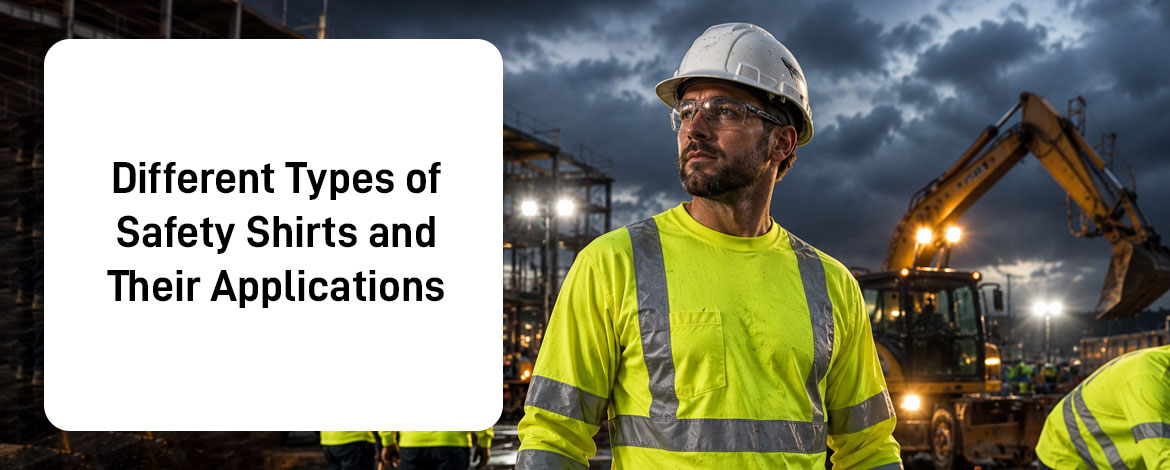
Safety shirts play a vital role in protecting workers across a wide range of industries. Whether employees are working on busy construction sites, maintaining roadways, operating heavy machinery, or managing warehouse operations, visibility and safety are essential.
High-visibility safety shirts help reduce accidents by making workers more noticeable in potentially hazardous environments.
Workplace safety regulations continue to evolve, and employers are increasingly investing in high-quality safety apparel.
Modern safety shirts are designed not only to improve visibility but also to provide comfort, durability, and compliance with industry standards. Features such as reflective striping, moisture-wicking fabrics, UV protection, and flame resistance make today's safety shirts more effective than ever.
As a trusted provider of high-visibility workwear, Hi Vis Kings offers a comprehensive selection of safety shirts designed to meet the needs of workers in the construction, transportation, utilities, manufacturing, and industrial sectors.
Understanding the different types of safety shirts and their applications can help employers and workers make informed decisions.
What Are Safety Shirts and Why Are They Important?
Safety shirts are specialized work garments designed to increase worker visibility and improve safety in hazardous environments. They typically feature bright fluorescent colors such as yellow, orange, or lime green, along with reflective materials that improve visibility during both daylight and nighttime conditions.
The Purpose of Safety Shirts
The primary goal of safety shirts is to make workers easily visible to vehicle operators, equipment drivers, and coworkers. Increased visibility helps reduce the risk of accidents caused by poor lighting, obstructed views, or busy work environments.
Safety shirts are commonly used to-.
- Improve worker visibility
- Reduce workplace accidents
- Support OSHA and ANSI compliance
- Protect employees in high-risk environments.
- Promote a culture of workplace safety.
Key Features of Modern Safety Shirts
Modern safety shirts offer numerous features that improve both safety and comfort-
Fluorescent Colors
Bright fluorescent fabrics improve visibility during daylight hours and in low-light conditions.
Reflective Striping
Reflective tape improves visibility when illuminated by headlights, flashlights, or other light sources.
Moisture-Wicking Fabrics
Advanced materials help draw sweat away from the skin, keeping workers comfortable throughout the day.
Breathable Construction
Lightweight fabrics improve airflow and reduce heat stress in demanding work environments.
UV Protection
Many long-sleeve safety shirts protect outdoor workers from harmful ultraviolet rays.
Understanding ANSI Safety Shirt Classifications
The American National Standards Institute (ANSI) establishes visibility standards that help employers select the appropriate safety apparel based on workplace hazards.
Class 1 Safety Shirts
Class 1 garments offer the lowest level of visibility and are intended for low-risk environments where traffic speeds are low, and workers can maintain adequate distance from hazards.
Common applications include-
- Parking attendants
- Warehouse workers
- Delivery personnel
- Shopping cart attendants
Class 2 Safety Shirts
Class 2 safety shirts offer greater visibility and are suitable for environments where workers are exposed to moderate traffic or machinery.
Typical users include-
- Construction workers
- Utility crews
- Surveyors
- Airport ground personnel
Class 2 garments are among the most commonly used high-visibility safety shirts across various industries.
Class 3 Safety Shirts
Class 3 safety shirts provide the highest level of visibility and are designed for workers operating in high-risk environments.
Applications include-
- Road construction crews
- Highway maintenance workers
- Emergency responders
- Traffic control personnel
These garments feature additional reflective material and increased fluorescent coverage to maximize visibility from all angles.
Choosing the Right ANSI-Compliant Safety Shirt
Selecting the correct ANSI class depends on-
- Traffic speed
- Workplace hazards
- Lighting conditions
- Worker proximity to moving equipment
- Regulatory requirements
Employers should conduct hazard assessments to determine which visibility level best suits their workforce.
Different Types of Safety Shirts
Safety shirts are available in several styles to accommodate various job requirements, environmental conditions, and industry standards.
High Visibility Safety T-Shirts
High-visibility safety T-shirts are among the most popular options due to their comfort and affordability.
Benefits
- Lightweight construction
- Comfortable fit
- Excellent breathability
- Suitable for warm weather
Common Applications
- Construction sites
- Landscaping projects
- Warehouse operations
- Manufacturing facilities
These shirts provide workers with visibility without compromising comfort during long shifts.
Long Sleeve Safety Shirts
Long-sleeve safety shirts offer additional protection against environmental hazards.
Advantages
- Sun protection
- Reduced skin exposure
- Protection from minor abrasions
- Better comfort during cooler weather
Best Applications
- Utility work
- Road maintenance
- Outdoor construction
- Agricultural operations
Workers who spend extended periods outdoors often prefer long-sleeve options for their added coverage.
Short Sleeve Safety Shirts
Short-sleeve safety shirts provide a balance between visibility and mobility.
Benefits
- Increased freedom of movement
- Improved ventilation
- Reduced heat buildup
Suitable Industries
- Warehousing
- Distribution centers
- Manufacturing plants
- Indoor construction projects
These shirts are particularly popular in warmer climates and indoor environments.
Reflective Safety Shirts
Reflective safety shirts incorporate strategically placed reflective tape to improve visibility in low-light conditions.
Key Features
- Improved nighttime visibility
- Reflective striping on torso and sleeves
- Improved worker recognition
Common Applications
- Night construction
- Traffic control
- Road maintenance
- Utility repairs
Reflective garments are essential when workers operate near vehicles or equipment at dawn, dusk, or night.
Safety Polo Shirts
Safety polo shirts combine professional appearance with high-visibility functionality.
Benefits
- Professional presentation
- Comfortable fit
- Compliance with workplace standards
Common Users
- Supervisors
- Site managers
- Field inspectors
- Utility representatives
Many organizations choose safety polos for employees who interact with customers while maintaining visibility requirements.
Moisture-Wicking Safety Shirts
Heat stress remains a major concern for workers in physically demanding industries. Moisture-wicking safety shirts address this challenge through advanced fabric technology.
Advantages
- Sweat management
- Faster drying times
- Improved comfort
- Uplifted productivity
Ideal Work Environments
- Construction sites
- Roadwork projects
- Warehouses
- Outdoor maintenance
Workers remain cooler and more comfortable throughout the workday.
Flame-Resistant (FR) Safety Shirts
Flame-resistant safety shirts protect against fire-related hazards and electrical arc flashes.
Key Benefits
- Self-extinguishing materials
- Protection against thermal hazards
- Compliance with industry regulations
Industries Requiring FR Apparel
- Oil and gas
- Electrical utilities
- Petrochemical facilities
- Manufacturing plants
FR safety shirts are critical for protecting workers from serious injuries in high-risk environments.
Applications of Safety Shirts Across Industries
Different industries require specific safety shirt features based on their operational risks.
Construction Safety Shirts
Construction sites present numerous hazards, including heavy machinery, vehicle traffic, and constantly changing work conditions.
Why Visibility Matters
Workers often operate near-
- Excavators
- Cranes
- Bulldozers
- Forklifts
High-visibility safety shirts help equipment operators quickly identify workers and reduce the risk of accidents.
Road Work Safety Shirts
Roadway workers face significant dangers due to moving traffic.
Essential Features
- High-visibility fluorescent colors
- Reflective striping
- ANSI Class 3 compliance
Road crews depend on maximum visibility to remain safe while working near active traffic lanes.
Utility Worker Safety Apparel
Utility workers frequently encounter electrical hazards and challenging outdoor environments.
Common Applications
- Power line maintenance
- Telecommunications installation
- Gas utility operations
Many utility workers require flame-resistant safety shirts for additional protection.
Warehouse and Logistics Safety Clothing
Warehouse operations involve forklifts, pallet jacks, and other moving equipment.
Safety Benefits
- Improved worker identification
- Improved visibility in busy environments
- Reduced collision risks
Safety shirts help maintain safe operations within fast-paced logistics facilities.
Manufacturing Safety Uniforms
Manufacturing environments often include machinery, assembly lines, and material handling equipment.
Importance of Safety Apparel
- Worker visibility
- Compliance with safety protocols
- Increased workplace awareness
Safety shirts contribute to a safer and more organized production environment.
Landscaping and Outdoor Maintenance Crews
Landscaping professionals frequently work near roadways, parking lots, and public spaces.
Advantages
- Visibility around vehicles
- Sun protection
- Improved public awareness
Long-sleeve safety shirts are particularly beneficial for outdoor maintenance workers.
Airport Ground Staff and Transportation Workers
Airport operations require constant awareness of moving aircraft, service vehicles, and equipment.
Key Requirements
- High visibility
- Reflective materials
- ANSI compliance
Safety shirts help ensure workers remain visible within complex transportation environments.
Benefits of Investing in Quality Safety Shirts
Employers often view safety apparel as a necessary expense, but quality safety shirts provide long-term benefits that extend far beyond compliance.
Improved Workplace Safety
The most significant benefit is accident prevention. Improved visibility helps workers remain noticeable in high-risk environments.
Greater Worker Visibility
Bright colors and reflective materials improve recognition during both daytime and nighttime operations.
OSHA and ANSI Compliance
Using compliant safety apparel helps organizations meet regulatory requirements and avoid potential penalties.
Uplifted Comfort and Productivity
Comfortable workers are more productive. Modern safety shirts feature breathable fabrics and moisture-wicking technology that improve overall job performance.
Long-Term Durability and Cost Savings
High-quality safety shirts typically last longer and require fewer replacements, reducing overall apparel expenses.
How to Choose the Right Safety Shirt for Your Workforce
Selecting the right safety shirt requires careful evaluation of workplace conditions and employee needs.
Evaluate Workplace Hazards
Identify potential risks such as-
- Traffic exposure
- Heavy equipment operation
- Electrical hazards
- Environmental conditions
Select the Appropriate ANSI Class
Choose a visibility level that matches the risk profile of the work environment.
Consider Climate and Working Conditions
Workers in hot climates may benefit from lightweight, moisture-wicking fabrics, while those in colder environments may require heavier materials.
Look for Moisture-Wicking and Breathable Fabrics
Comfort directly impacts worker performance and compliance with safety apparel policies.
Determine Whether Flame Resistance Is Required
Industries involving electrical work or combustible materials should prioritize flame-resistant garments.
Choose a Reliable Supplier
Partnering with a trusted provider ensures access to high-quality, compliant safety apparel.
Why Businesses Choose Hi Vis Kings
Hi Vis Kings has become a trusted source for high-visibility workwear because of its commitment to quality, compliance, and worker comfort.
Benefits include-
- Extensive selection of ANSI-compliant safety shirts
- High-visibility apparel for multiple industries
- Durable and comfortable materials
- Options for construction, transportation, utility, and industrial workers
- Reliable customer service and product expertise
By offering a wide range of safety apparel solutions, Hi Vis Kings helps businesses create safer workplaces while meeting industry requirements.
Maintaining Safety Shirts for Maximum Performance
Proper maintenance helps ensure safety shirts remain effective throughout their lifespan.
Proper Washing and Care
Always follow manufacturer instructions regarding-
- Water temperature
- Detergent selection
- Drying methods
Improper care can reduce garment effectiveness.
Preserving Reflective Materials
Reflective tape should remain clean and free from damage to maintain visibility.
Routine Inspection and Replacement
Inspect garments regularly for-
- Fading colors
- Damaged reflective tape
- Tears and holes
- Excessive wear
Extending Garment Lifespan
Proper storage and handling extend the lifespan of safety apparel.
Common Mistakes to Avoid When Purchasing Safety Shirts
Many organizations make avoidable mistakes when selecting safety apparel.
Choosing the Wrong Visibility Class
Using a lower ANSI class than required may compromise worker safety.
Ignoring Workplace-Specific Hazards
Different industries require different protective features.
Overlooking Fabric Quality and Comfort
Uncomfortable garments may reduce worker compliance.
Failing to Replace Worn-Out Apparel
Damaged reflective materials reduce visibility and effectiveness.
Purchasing Non-Compliant Safety Apparel
Always verify that garments meet applicable ANSI standards.
Frequently Asked Questions
1. What is the difference between Class 2 and Class 3 safety shirts?
Class 3 safety shirts provide greater visibility through increased coverage of fluorescent and reflective materials, making them suitable for higher-risk environments.
2. Does OSHA require safety shirts?
OSHA often requires employers to provide high-visibility apparel when workers are exposed to vehicle traffic, heavy equipment, or other visibility-related hazards.
3. When should workers wear flame-resistant safety shirts?
Workers should wear FR safety shirts when exposed to potential flash fires, electrical arc flashes, or combustible materials.
4. How often should reflective safety shirts be replaced?
Replacement depends on the condition of the garment. Shirts should be replaced when reflective materials become damaged, faded, or ineffective.
5. What are the best safety shirts for hot weather?
Moisture-wicking safety T-shirts and lightweight high-visibility shirts are ideal for hot working conditions.
6. Which industries benefit most from high-visibility workwear?
Construction, transportation, utilities, warehousing, manufacturing, landscaping, airport operations, and emergency response services all benefit from high-visibility safety apparel.
Wrapping Up
Safety shirts are a critical component of workplace safety programs across numerous industries. From high-visibility T-shirts and reflective work shirts to flame-resistant garments and professional safety polos, each type serves a specific purpose- protecting workers from potential hazards.
Choosing the right safety shirt involves understanding workplace risks, ANSI classifications, environmental conditions, and industry-specific requirements. Quality safety apparel not only improves visibility but also improves comfort, compliance, and productivity.
Organizations that prioritize worker safety should invest in durable, ANSI-compliant garments from trusted suppliers. Companies like Hi Vis Kings offer a wide range of high-visibility safety shirts designed to meet the needs of today's workforce, helping businesses create safer, more efficient work environments while maintaining compliance with industry standards.


Workplace safety is a top priority across construction sites, industrial facilities, and roadside environments. Every day, workers face hazards such as moving machinery, falling debris, chemical exposure, and fast-moving traffic.
- 10 min read
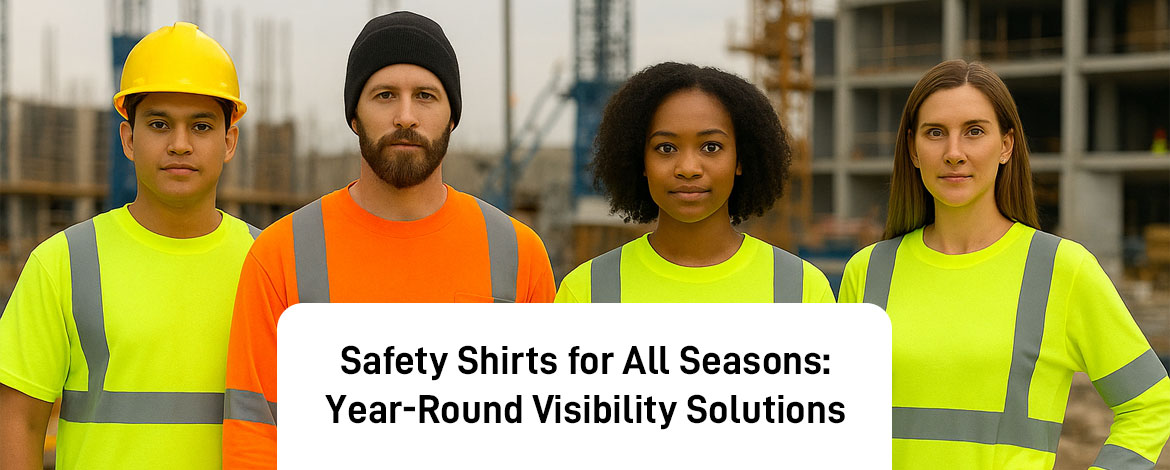
Workplace safety is essential—on roads, in warehouses, or during repairs, visibility can mean the difference between protection and injury.
- 30 min read
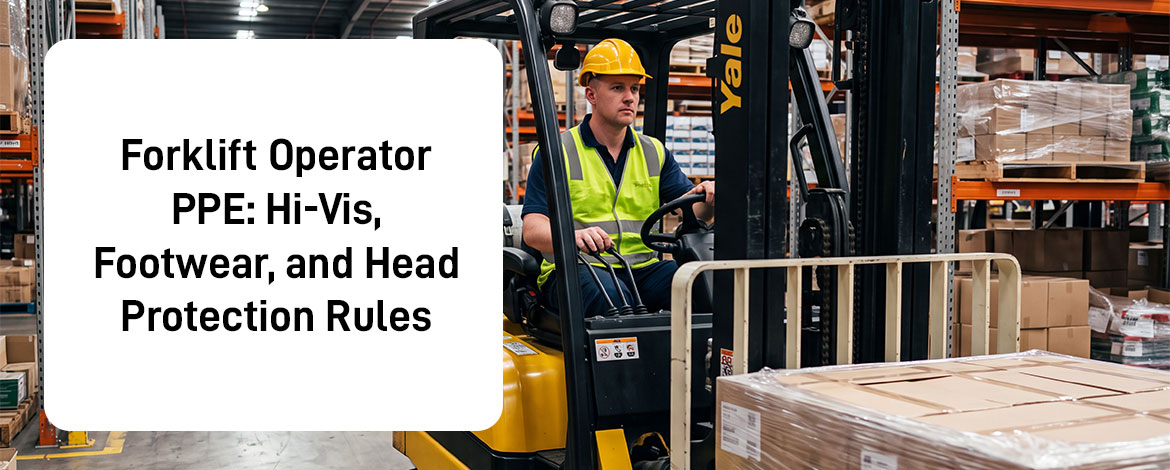
Forklifts are involved in several serious workplace injuries in the US every year, and a large share of them are struck-by incidents.
- 30 min read
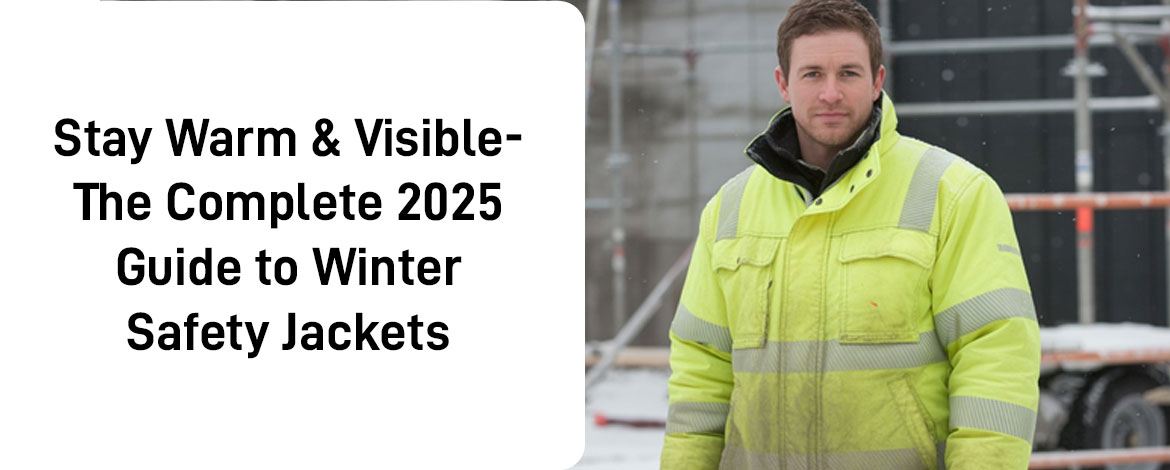
Winter transforms every outdoor job site. Snow reduces visibility, icy winds quickly drop body temperatures, and shorter daylight hours increase accident risks.
- 10 min read